

Plan around your own season
An end-of-season break can give you time away from matches, but check the dates for pre-season training too. Tell the clinic whether you play casually, train several times a week or compete professionally. Your recovery instructions should account for the activity you intend to return to.
Ask about each stage separately: walking, running, gym sessions, non-contact practice, heading and full matches. If you have a club medical team, share the surgeon’s instructions with them.
Protect the scalp while it heals
The NHS hair transplant guidance advises particular care during the first two weeks, when grafts are not secure, and says exercise may need to be reduced during the first month. These are general recovery points. They do not give clearance for heading or contact play.
Follow the treating surgeon’s advice about washing, sweat, rubbing and accidental impact. Ask when you can wear any usual headwear. If you develop severe pain or unexpected symptoms, contact the clinic promptly.
Our aftercare page explains the wider recovery process. Return to football should be agreed with the team responsible for your treatment.
Short haircuts and donor scars
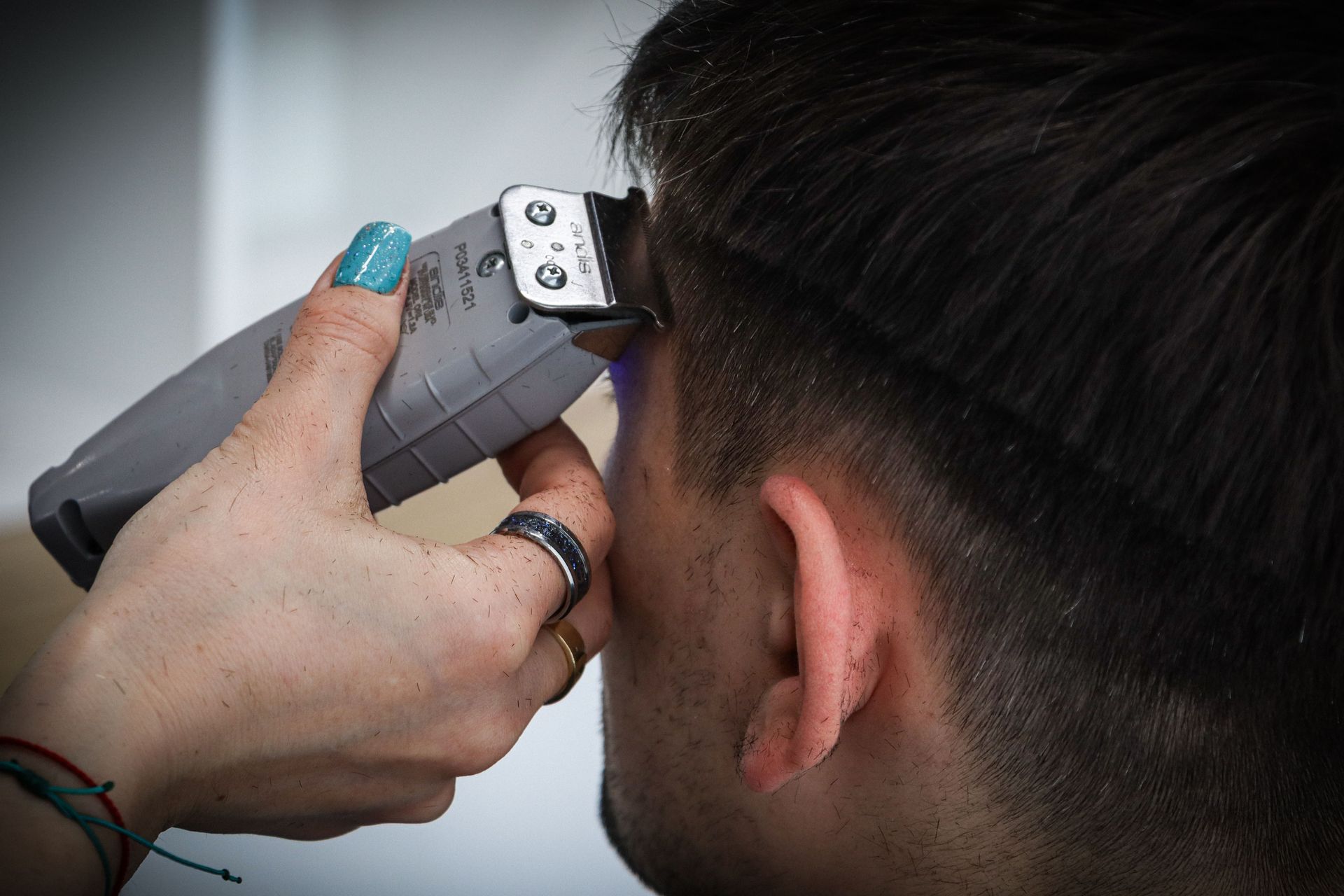
A footballer’s haircut can make a transplant look appealing, but your own donor area needs assessment. FUE leaves small scars at the extraction sites. FUT leaves a linear donor scar. Their visibility depends partly on healing and how short you wear the surrounding hair.
Bring photographs of your usual haircut, including the back and sides. Ask to see healed donor areas as well as front-facing results. A styled photograph of a new hairline tells you little about the appearance of a close fade.
Photographs cannot explain another player’s treatment
Lighting, styling and hair fibres can change how dense a hairline appears. A photograph cannot confirm that somebody has had surgery, or tell you their diagnosis, graft count or recovery instructions.
Even when a player has discussed treatment publicly, their result is only one example. Your hair thickness, area of loss and available donor hair may be different. Use the consultation to discuss your own donor supply and the coverage that can reasonably be achieved.
Allow time for the result to develop
Being ready to train again and seeing the final result happen on different timetables. Transplanted hairs often shed before new growth appears. The NHS describes new growth from around four months and full results at about 10–18 months, with individual variation.
Plan follow-up appointments as well as the procedure. The recovery timeline explains what the clinic will review as healing and growth progress.
Arrange a Belfast consultation
Bring your training schedule, match commitments and questions about haircuts. Ask who will perform the procedure, where surgery will take place and how to contact the team during recovery.
Belfast consultations are available by appointment at Regus, Forsyth House, Cromac Street, Belfast BT2 8LA. Contact the team or call 028 9600 0113. See the cost page before discussing an individual quotation.