
Hair Transplant Shedding and Shock Loss
Seeing transplanted hairs begin to fall out several weeks after surgery can be alarming. The recipient area may have looked fuller immediately after treatment, only to appear noticeably thinner once some of those short transplanted hairs begin to shed.
In many patients this is part of the normal transition between surgery and new growth. The visible hair shaft can fall while the transplanted follicle remains beneath the skin, where it can later produce another hair during a new growth cycle.
This guide explains why post-transplant shedding happens, when it can begin, what shock loss means, what the scalp may look like during the quieter months and how to tell the difference between expected recovery and a change that should be discussed with the clinic.




Hair transplant recovery can feel counter-intuitive. A patient can leave surgery with hundreds or thousands of short transplanted hairs clearly visible, watch the redness and crusting settle during the first couple of weeks and then notice those same hairs beginning to disappear.
This is one of the stages that causes the most unnecessary worry. Patients naturally associate losing hair with losing the transplant, but the visible shaft and the follicle beneath the skin are not the same structure.
The shaft is the hair that can be seen above the scalp. The follicle sits underneath the skin and is responsible for producing future hair. A transplanted shaft can therefore be shed while the follicle remains in the recipient site.
Shedding also varies considerably. Some patients notice substantial shedding, some retain more of the transplanted hairs and others experience temporary thinning of existing native hair around the treated area. It is therefore more accurate to think in ranges rather than expecting every recovery to look identical.
What Is Hair Transplant Shedding?
Hair transplant shedding is the temporary loss of some of the visible hair shafts present in the transplanted follicular units after surgery. It usually becomes noticeable after the initial wound-healing stage and before meaningful new growth develops.
The follicle can remain within the scalp after its existing shaft has fallen. It then progresses through its normal hair-growth cycle before producing a new visible hair. This explains why a recipient area can temporarily look thinner without the transplant itself having disappeared.
Shedding can happen after FUE, DHI and FUT. Implantation technique does not eliminate the biological growth cycle of a transplanted follicle.
Does Every Patient Shed?
Shedding is common, but not every patient will notice the same amount. Some transplanted shafts remain visible for longer, while others are released sooner. The timing can also vary across different parts of the same recipient area.
For that reason, there is no useful rule stating that every patient must lose a fixed percentage of transplanted hairs or must begin shedding on exactly the same postoperative day.
What Does Hair Transplant Shedding Look Like?
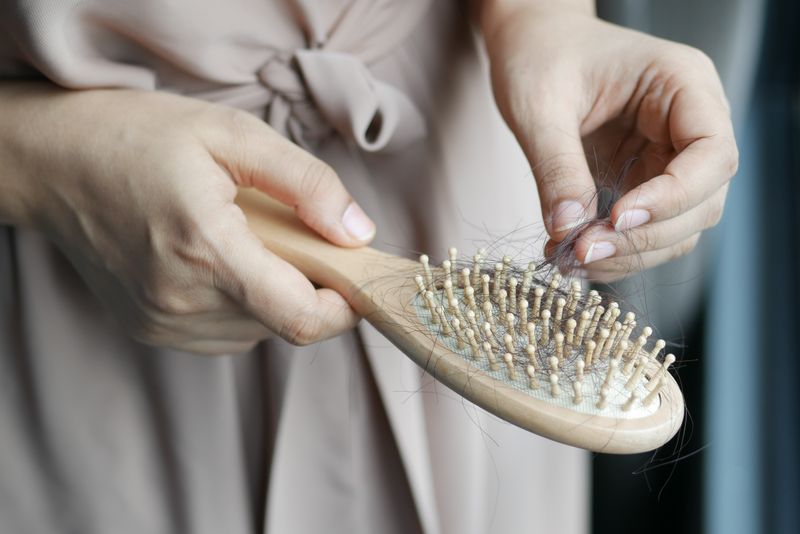
Hair transplant shedding usually becomes noticeable when short hairs begin appearing during washing, on bedding or when the scalp is gently handled as part of the normal aftercare routine. The transplanted area can gradually lose some of the darker appearance it had immediately after surgery.
This can be particularly noticeable around a transplanted hairline because the frontal area is easy to inspect closely in a mirror. Shedding from a crown transplant may be less obvious from day to day because the area is harder to see without photographs.
The amount of shedding can also vary across the same transplant. One side may appear to shed before the other, while certain transplanted hairs can remain visible for longer. This difference alone does not mean that grafts have survived better on one side than the other.
Common Signs of Hair Transplant Shedding
- short transplanted hairs appearing during washing;
- loose hairs becoming visible on bedding or a towel;
- the recipient area temporarily looking thinner;
- different sections of the transplant shedding at different times;
- some temporary thinning of nearby native hair;
- little obvious new growth immediately after the shedding phase.
Can You See the Follicle or Root in a Shed Hair?
Patients sometimes notice a small piece of material attached to the end of a shed hair and assume that the entire transplanted follicle has come out. What is visible on the end of a loose hair shaft does not necessarily represent the complete follicular unit that was implanted beneath the skin.
Once the early graft-protection stage has passed, seeing a hair come away does not automatically mean the transplant has been damaged. The shaft can be released while the follicle remains beneath the scalp and later begins another growth cycle.
During the first postoperative days, however, the recipient area should not be deliberately pulled, rubbed or tested. If the scalp is knocked and there is significant bleeding, visible tissue disruption or genuine concern that a graft has been displaced, contact the clinic rather than repeatedly examining the area yourself.
Why Does Hair Transplant Shedding Happen?
Hair follicles naturally move through cycles of active growth, transition and rest. Transplant surgery temporarily interrupts that normal rhythm because a follicular unit is removed from its donor location, handled during the procedure and then placed into a new recipient site.
A transplanted follicle does not need to retain the short shaft that was present on surgery day in order to survive. Following the stress of transplantation, some follicles enter a resting stage and release the visible shaft before later returning to active growth.
This is why normal postoperative shedding should not automatically be described as the follicle “dying”. The transplanted structure can remain beneath the skin even when very little is visible above it.
The Hair Growth Cycle
During the anagen phase, the follicle actively produces a growing hair. Anagen is followed by a shorter transitional catagen phase and then the resting telogen phase. Eventually the old shaft is released before another cycle begins.
Surgery can push follicles towards a resting stage. The scalp can therefore enter a quiet period in which the wounds have healed but the transplanted hairs are not yet visibly growing.
What Is Shock Loss?
Shock loss generally refers to temporary shedding triggered by the physical stress surrounding surgery. It can affect existing native hairs around the recipient region rather than only the shafts within the transplanted grafts.
This distinction matters. Normal shedding of transplanted shafts and temporary loss of nearby native hairs are related postoperative events, but they are not exactly the same process.
Can Native Hair Be Affected?
Existing hair around the recipient area can sometimes thin temporarily after surgery. Native hairs that are already miniaturised by androgenetic hair loss may be more vulnerable to surgical stress than strong terminal hairs.
This is one reason a transplant should be planned around both the completely bald area and the thinning hair that remains. Placing grafts between severely miniaturised native hairs without considering future loss can create problems later even if the transplant itself grows well.
Donor Shock Loss
Temporary shedding can also develop around the donor area. Following FUE this can appear around the extraction zone, while FUT patients can notice temporary changes around the strip incision.
Donor shock loss should not be confused with excessive harvesting. Temporary shock loss may recover as affected follicles return to growth. Overharvesting means too many follicular units have been permanently removed, leaving reduced density in the donor region.
Our hair transplant donor area guide explains donor healing, density and overharvesting in more detail.
When Does Hair Transplant Shedding Start?
Shedding usually becomes noticeable during the weeks after surgery rather than immediately. A broad period of roughly two to eight weeks is more realistic than promising that every patient will start shedding on one particular day.
Some hairs can release sooner, while others remain visible for longer. The timing can also differ between individual sections of the transplant.
Days 1–14
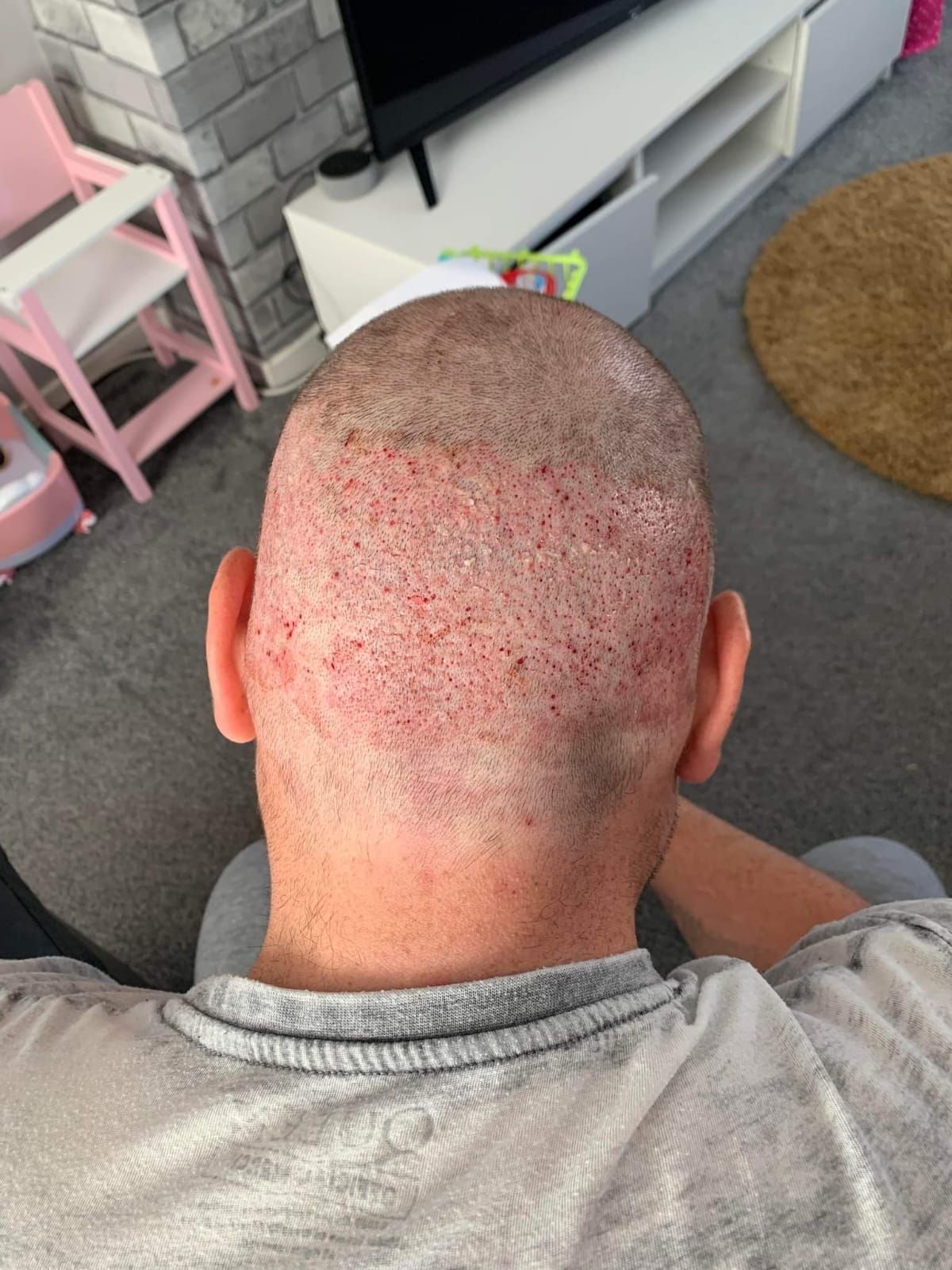
During the first couple of weeks, wound healing is more important than shedding. Redness, crusting, mild swelling and donor-site healing are usually the most noticeable changes.
The recipient area should be protected and washed according to the instructions supplied after surgery. This early stage is covered in detail in our hair transplant aftercare guide.
Weeks 2–8
This is when shedding frequently becomes more obvious. A frontal hairline that looked relatively dark immediately after treatment can begin looking noticeably lighter as short transplanted shafts disappear.
The change can be frustrating because the scalp can appear to move backwards before it moves forwards. It is still far too early at this stage to judge density or consider whether another procedure is needed.
Months 2–3: The Quiet Stage
After shedding, the scalp may enter a period in which there is little visible activity. The skin can look largely healed while the transplanted follicles remain beneath the surface preparing to return to active growth.
This quiet period is one of the least useful times to repeatedly inspect the scalp. Minor differences in lighting, hair length and camera angle can make the transplant appear very different from one photograph to another.
Months 3–6: Early Growth
Early transplanted hairs can begin emerging over the following months. The first new hairs may be thin, short, light in colour or uneven compared with mature surrounding hair.
Not every follicle begins visible growth at the same moment. Density therefore develops progressively rather than arriving all at once.
Months 6–9
By the middle of the first year, the overall change is usually easier to see. More hairs have emerged and earlier growth continues gaining length and calibre.
Hairline work can begin framing the face more clearly, while crown coverage can take longer to appreciate because of the larger surface area and rotational growth pattern.
Months 9–12 and Beyond
Later in the first year, the transplant becomes much more representative of the mature result. Hair can continue gaining thickness beyond twelve months, particularly in crown procedures.
Our hair transplant timeline explains the recovery and growth stages month by month.
Hair Transplant Aftercare During Shedding
Shedding itself does not normally require an elaborate treatment programme. The important thing is to continue following the postoperative instructions supplied for your procedure and avoid interfering with the scalp because loose hairs have become visible.
Follow Your Surgeon's Instructions
Your clinical team should provide instructions covering washing, scalp care, medication, activity and follow-up. Those instructions are based on the procedure performed and should take priority over somebody else's recovery routine online.
FUE, FUT, crown transplantation and frontal hairline work can create different practical considerations. Graft numbers and individual healing also influence how quickly normal grooming can resume.
Wash the Scalp Gently
Regular cleaning is important, but vigorous scrubbing is unnecessary. Once the clinic has allowed normal washing, use the shampoo and technique recommended for your procedure.
Hairs that are biologically ready to shed will eventually release without needing to be deliberately pulled from the scalp.
Avoid Very Hot Water
Excessively hot water can irritate recently operated skin. Use comfortable lukewarm water rather than exposing the recipient area to unnecessary heat, particularly while the scalp remains sensitive.
The reason for using gentler temperatures is scalp comfort and avoidance of irritation. Lukewarm water should not be marketed as though it can prevent the normal biological shedding cycle itself.
Pat Rather Than Rub
Once towel drying is appropriate, avoid aggressively rubbing the scalp. Patting or using the drying method provided by your clinic creates less friction across recently treated skin.
During the earliest postoperative period, follow the specific drying instructions supplied after surgery rather than assuming a towel can be used directly over fresh grafts.
Avoid Scratching
Itching can occur while the scalp heals and can also remain noticeable around the donor area. Fingernails can irritate recovering skin, so scratching is best avoided.
If itching becomes severe, persistent or occurs with spreading redness, discharge, significant flaking or pain, contact the clinic rather than assuming it is simply part of shedding.
How Do You Know If You Are Keeping on Track?
The most useful way to monitor progress is with photographs taken at sensible intervals. Use similar lighting, distance and camera angles each time.
Monthly photographs provide a much clearer record than daily close-up photographs, particularly during the quiet period when genuine biological change is slow.
Can Other Hair-Loss Treatments Help During Shedding?
Hair-loss treatment and postoperative transplant shedding are related subjects, but they should not be confused. Medication may be appropriate for managing untreated native hair, but it should not be presented as a guaranteed way to prevent transplanted shafts from passing through their normal shedding phase.
Finasteride
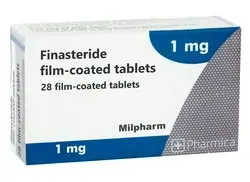
Finasteride can be used in suitable men to manage androgenetic hair loss in susceptible native follicles. This can matter after transplantation because surgery relocates follicles but does not stop genetically vulnerable hair elsewhere on the scalp from continuing to thin.
Finasteride is not mandatory transplant aftercare and should not be described as something every patient needs to stop normal postoperative shedding. Its use requires an individual discussion of potential benefits, adverse effects and medical history.
Minoxidil
Minoxidil may be used by some patients as part of longer-term hair-loss management. If it was being used before surgery, the timing of stopping and restarting it should follow the treatment plan supplied by the clinician.
Applying minoxidil to skin that has not sufficiently healed simply because shedding has started is not sensible. The timing should be based on the postoperative plan rather than an arbitrary date found online.
Read our hair-loss medication guide for more information about medical treatment options.
Can PRP Stop Hair Transplant Shedding?
PRP treatment is sometimes used as an adjunctive treatment in hair-loss management, but it should not be described as a guaranteed way to prevent the normal shedding of transplanted shafts.
Transplanted follicles still progress through their biological growth cycle. PRP should therefore be considered separately rather than presented as a replacement for the normal recovery and regrowth period.
Eating a Balanced Diet
Normal hair production depends on adequate nutrition. A balanced diet providing sufficient protein, energy, vitamins and minerals supports general health during recovery.
This does not mean that taking very large doses of vitamins will make a transplant grow faster. Supplements are most useful when a genuine deficiency or another clinical indication has been identified.
Hydration
Staying adequately hydrated is sensible during recovery and supports general wellbeing. There is no need to drink excessive quantities of water in an attempt to force transplanted follicles into growth.
Smoking and Alcohol
Smoking is generally undesirable around surgical recovery because nicotine and smoking can affect circulation and wound healing. Patients should follow the specific smoking advice supplied before and after their procedure.
Excessive alcohol intake should also be avoided during early recovery, particularly where it may interact with medication, contribute to dehydration or interfere with sensible postoperative care.
Does Shedding Differ Between FUE, DHI and FUT?
The broad recipient-hair growth cycle is similar whichever hair transplant technique has been used. Transplanted shafts can shed after FUE, DHI or FUT, even though the way the grafts are harvested and implanted differs between these procedures.
The appearance of recovery can also vary according to the size and location of the transplant. A frontal hairline is much easier to inspect closely than the crown, while donor-area healing differs considerably between individual FUE extraction sites and an FUT strip incision.
FUE Shedding
After FUE, individual follicular units have been harvested from the donor region and transplanted into carefully prepared recipient sites. The short hairs within those grafts can subsequently shed while the transplanted follicles remain beneath the scalp.
At the same time, the individual extraction sites across the donor region continue to settle. Temporary shock loss can sometimes affect existing hairs around the extraction zone, which can make the donor area appear thinner during early recovery.
Temporary donor shock loss should not automatically be confused with overharvesting. Shock loss may improve as affected follicles return to active growth, whereas overharvesting means too many permanent donor follicles have been removed and can leave lasting reduction in donor density.
DHI Shedding
DHI describes the implantation approach used to place follicular units into the recipient area. Donor grafts are commonly obtained individually before being loaded into an implanter device and positioned according to the planned direction, angle and density.
Using an implanter does not remove the normal biological recovery cycle of the transplanted follicle. The visible shafts can therefore still shed during the weeks after treatment before later growth begins.
For that reason, claims that DHI completely prevents postoperative shedding should be treated cautiously. Differences in implantation technique do not guarantee that every transplanted hair shaft will remain visible throughout recovery.
FUT Shedding
With FUT, a narrow strip of hair-bearing scalp is removed from the donor region and divided into individual follicular units before those grafts are placed into the recipient area.
The transplanted shafts can still pass through the same broad postoperative shedding stage as grafts placed after FUE. The key difference is found in the donor region, where FUT leaves a linear surgical closure rather than multiple individual extraction sites.
Temporary thinning can occasionally develop around the donor incision during recovery. However, persistent wound problems, unusual thinning around the scar or progressive widening of the donor area should be reviewed rather than automatically assumed to be ordinary shock loss.
Hairline Shedding
Shedding from a transplanted hairline can feel particularly dramatic because the frontal edge of the hair is highly visible and plays such an important role in framing the face.
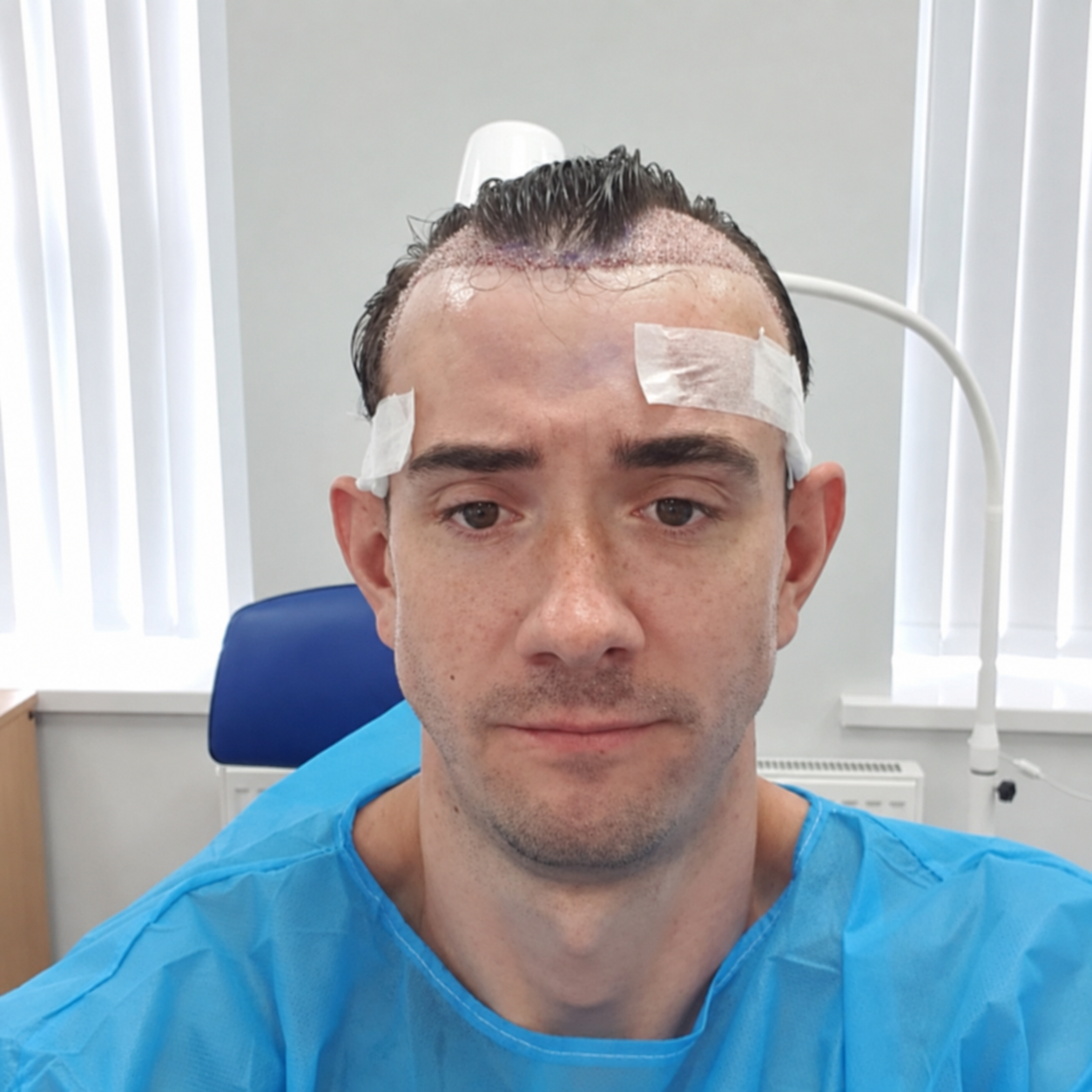
Immediately after surgery, the short implanted hairs can create a clear outline of the new hairline. Once those shafts begin to shed, the frontal region may temporarily look similar to its pre-operative appearance.
This does not mean the planned hairline has disappeared. The follicles can remain beneath the surface during the resting stage before new hairs gradually emerge over the following months.
Crown Shedding
Crown transplantation follows the same broad shedding and regrowth cycle, but progress can be harder to assess because the crown sits towards the back of the scalp and contains a natural whorl pattern.
A crown may therefore look uneven during early growth as different follicles become active at different times. This is particularly noticeable when the treated area is large or when existing native hair remains between the transplanted grafts.
Crown results can also take longer to appreciate fully than some frontal procedures. An immature crown several months after surgery should not be compared with a mature result photographed after a full year or longer.
Follow-Up During the Shedding Stage
Hair transplant follow-up should not finish when the first fourteen days have passed. The later shedding and regrowth stages are also useful opportunities to review how the recipient area and donor region are progressing.
Follow-up arrangements vary between clinics and procedures, but patients should know how to contact the clinical team if they are uncertain about healing, shedding or new growth.
Can Photographs Be Used for Follow-Up?
Clear photographs can be useful for routine progress checks, particularly when they are taken in consistent lighting and from the same angles.
Photographs do have limits. They cannot reliably replace clinical assessment when there is worsening pain, infection, wound breakdown or another genuine postoperative concern.
Can You Conceal the Shedding Stage?
The quiet stage can be frustrating cosmetically because the scalp may look thinner before meaningful new growth develops. Once the recipient area is fully healed, some patients choose a different hairstyle to reduce the contrast between transplanted and existing hair.
Hair fibres, concealers, styling products, dyes or other cosmetic products should not be introduced prematurely. Ask when the scalp is sufficiently healed before applying products directly over the recipient area.
When Is Shedding Not Just Normal Recovery?
Loss of visible transplanted hairs during the expected shedding period is different from a worsening surgical wound or an unusual pattern of hair loss. Contact the clinic if the change is associated with:
- worsening pain rather than gradual improvement;
- spreading redness or increasing warmth;
- pus or unusual discharge;
- fever or feeling significantly unwell;
- heavy or persistent bleeding;
- rapidly worsening swelling;
- opening of an FUT donor wound;
- significant trauma to the recipient area;
- persistent donor thinning that is not improving;
- or a pattern of loss that does not fit the expected transplant recovery.
Shedding Versus Continuing Hair Loss
A transplant moves follicles from one area of the scalp to another. It does not stop genetically susceptible native hair from continuing to thin over future years.
If loss develops behind a transplanted hairline or progresses through the mid-scalp long after the operation, this may represent continuing androgenetic hair loss rather than postoperative shedding.
What About Telogen Effluvium?
Telogen effluvium is a broader form of diffuse shedding that can follow illness, physiological stress, nutritional deficiency and other triggers. It is not necessarily limited to the transplanted region.
Widespread or prolonged shedding that does not fit the normal surgical pattern may need wider medical assessment rather than being automatically attributed to the transplant.
Frequently Asked Questions
Does everyone experience shedding after a hair transplant?
Shedding is common, but the amount varies. Some patients lose many visible transplanted shafts while others retain more of them. Recovery does not have to look identical between patients.
When does hair transplant shedding usually start?
It commonly becomes noticeable several weeks after surgery. A broad period of approximately two to eight weeks is more realistic than expecting every patient to begin shedding on a fixed day.
Does shedding mean my hair transplant has failed?
Usually not. The visible hair shaft can fall while the transplanted follicle remains beneath the skin and later produces another hair.
How can I tell if I am keeping on track?
Compare progress photographs taken several weeks apart using similar lighting, distance and camera angles. Daily close-up checking is much less useful during the quiet phase.
I can see something that looks like a root on my shed hair. What should I do?
Material attached to a shed shaft does not necessarily mean that the complete implanted follicular unit has been lost. Do not pull at other hairs to compare. If the area was traumatised, there is significant bleeding or you remain concerned, contact the clinic.
Can existing hair shed after a transplant?
Yes. Temporary shock loss can affect native hairs around the recipient area and sometimes the donor region. Persistent or unusual thinning should be reviewed.
Is itching normal during the shedding stage?
Some itching can occur as the scalp settles. Avoid scratching. Severe or persistent itching associated with marked redness, discharge, scaling or pain should be discussed with the clinic.
Should I rub my scalp to remove loose transplanted hairs?
No. Continue the approved washing routine and allow hairs that are ready to shed to release naturally. Aggressive rubbing is unnecessary.
Should I use hot or cold water when washing?
Comfortable lukewarm water is generally kinder to recently operated skin than very hot water. Follow the washing instructions supplied for your own procedure.
When does new transplanted hair start growing?
Early growth can begin after several months. The first hairs may appear fine or uneven, with density developing progressively through the remainder of the first year.
Does DHI prevent shedding?
No. DHI changes the graft-placement technique but does not eliminate the normal biological growth cycle. Transplanted shafts can still shed before later regrowth.
Can FUE cause donor shock loss?
Temporary shedding can occur around the FUE donor region. It should be distinguished from permanent density loss caused by excessive extraction.
Can finasteride prevent transplant shedding?
Finasteride should not be presented as a guaranteed way to stop normal transplanted-shaft shedding. Its principal role is managing susceptible native hair in appropriate men with androgenetic hair loss.
Can minoxidil help after a hair transplant?
Minoxidil may be appropriate for some patients as part of longer-term hair-loss management. The timing of starting or restarting it around surgery should be agreed with the treating clinician.
Can PRP stop the shedding phase?
PRP may be discussed separately as an adjunctive treatment, but it should not be presented as a guarantee that postoperative shedding will be prevented.
Should I take supplements during shedding?
A balanced diet is sensible, but supplements do not automatically accelerate transplant growth. They are most useful where a deficiency or another clinical indication has been identified.
Can I use hair fibres or concealer during the shedding stage?
Only once the recipient area has sufficiently healed and your clinical team has confirmed that cosmetic products can safely be used. Do not apply fibres or concealers over fresh surgical sites.
Will I have follow-up appointments during shedding?
Follow-up arrangements differ between clinics and procedures, but patients should have a clear route to contact the clinical team and review progress if there are concerns about recipient or donor healing.
When should I contact the clinic?
Seek advice for worsening pain, spreading redness, discharge, fever, heavy bleeding, severe swelling, wound problems, significant trauma or hair loss that does not fit the expected postoperative pattern.
Hair Transplant Shedding: What to Remember
Shedding is often one of the least satisfying parts of hair transplant recovery because the scalp can temporarily look thinner after the obvious signs of surgery have disappeared.
The important point is that losing a visible transplanted hair shaft does not automatically mean the follicle beneath it has failed. Many transplanted follicles enter a resting stage before new visible hairs begin to develop.
Progress should therefore be judged over months rather than weeks. Consistent photographs, sensible scalp care and realistic expectations provide a much clearer picture than repeatedly inspecting individual shed hairs.
Temporary native-hair shock loss can also occur, while donor shedding needs to be distinguished from overharvesting. Continuing pattern hair loss over later years is another separate issue again.
If the scalp becomes increasingly painful, red or swollen, there is discharge or bleeding, the donor area looks persistently depleted or the pattern of hair loss appears unusual, contact the clinical team rather than assuming every change is normal shedding.
About the Author
Concerned About Shedding After Your Hair Transplant?
If you are going through the shedding stage and are unsure whether the changes fit normal recovery, the recipient area, donor area and stage of growth can be reviewed.
Belfast Hair Transplant is based at Cromac Street, Belfast, BT2 8LA. Call Email Us or arrange a consultation online.