Finasteride after a hair transplant: what UK patients need to know

Dr Harpreet Kalra • August 8, 2026

Finasteride after hair transplant: UK patient guide

individual assessment and prescription. Why finasteride may be discussed after a transplant Finasteride reduces the conversion of testosterone to dihydrotestosterone (DHT), a hormone involved in the gradual miniaturisation of susceptible scalp follicles. The follicles normally selected from the donor area are more resistant to this process, but the native hair across the hairline, mid-scalp and crown may continue to thin. This is why medication can form part of long-term planning even when the transplanted area has healed well. Its main purpose is to support susceptible, non-transplanted hair rather than to make newly placed grafts grow faster or to guarantee that a transplant will succeed. Finasteride 1 mg is licensed in the UK for male pattern hair loss in men. The product information recommends one 1 mg tablet daily, but that is prescribing information rather than a recommendation for every reader. Suitability depends on the diagnosis, medical history, current medication, age, pattern of loss and the patient’s view of the possible benefits and risks. What the transplant evidence actually shows The most relevant direct study was a randomised, double-blind, placebo-controlled trial involving 79 men aged 20 to 45 with androgenetic alopecia. Participants took finasteride 1 mg or placebo from four weeks before their transplant until 48 weeks afterwards. At week 48, the finasteride group had better photographic assessments and hair counts than the placebo group. Visible increases in hair across the superior and frontal scalp were recorded in 94% of participants taking finasteride and 67% of those taking placebo. The distinction matters: this study assessed scalp hair surrounding the transplant. It did not report a 94% graft-survival rate, and its findings should not be presented that way. Larger trials conducted in men with male pattern hair loss, outside the transplant setting, have also shown that finasteride 1 mg can slow progression and improve hair counts compared with placebo. These results support discussing treatment with men who still have susceptible native hair. They do not establish that every patient should start medication, or that the trial’s four-week pre-operative schedule must be followed in routine practice. When should treatment start? There is no single timetable that suits every transplant patient. The direct transplant trial began treatment four weeks before surgery, but that was a study protocol rather than a universal UK rule. If you already take finasteride, do not make a routine change around the time of surgery without instructions from the clinician who prescribes it and your surgical team. The urgent MHRA advice about depression or suicidal thoughts, explained below, takes precedence. If you are considering treatment for the first time, the discussion can take place before surgery or during follow-up. The prescriber should first confirm that the pattern is consistent with androgenetic alopecia. Sudden shedding, patchy loss, scalp inflammation or scarring may need a different assessment. The UK product information says that three to six months of daily treatment may be needed before stabilisation can be expected. The British Association of Dermatologists notes that benefit may take longer to become apparent. Progress is therefore better assessed with consistent photographs over several months than by checking the mirror each day. How long is finasteride taken? Finasteride only maintains its effect while treatment continues. The product information states that, after treatment stops, the beneficial effects begin to reverse by around six months and return towards baseline by nine to twelve months. That does not mean treatment must continue indefinitely regardless of circumstances. The decision should be reviewed over time, taking account of response, side effects, changes in health, fertility plans and personal preference. A review is also appropriate if there is no clear benefit after a reasonable treatment period. Important MHRA safety advice In May 2026, the Medicines and Healthcare products Regulatory Agency strengthened its advice about psychiatric and sexual side effects associated with finasteride. Patients should receive and keep the patient card and information leaflet supplied with the medicine. Tell the prescriber before treatment if you have a history of depression or suicidal thoughts. Discuss any existing sexual symptoms so that they can be recorded before treatment. If you develop depression or suicidal thoughts while taking finasteride 1 mg, stop taking it and contact a healthcare professional as soon as possible. If you feel at risk of seriously harming yourself, call 999 or seek emergency help immediately. Contact your clinician if you develop reduced sex drive, erectile dysfunction or ejaculation problems. Sexual dysfunction has sometimes been reported after treatment has stopped. Do not ignore new low mood, anxiety or a marked change in mental wellbeing. Seek medical advice promptly. Other side effects and precautions Clinical trials and post-marketing monitoring have identified decreased libido, erectile dysfunction and ejaculation disorders. Depression is listed as an uncommon adverse effect in the current product information; the frequency of anxiety and suicidal thoughts cannot be estimated from the available post-marketing reports. Other reported effects include breast tenderness or enlargement, testicular pain, changes in semen quality, allergic reactions and raised liver enzymes. Report a breast lump, pain or nipple discharge promptly. Swelling of the lips, tongue, throat or face, or difficulty breathing, requires urgent medical attention. Finasteride can affect a prostate-specific antigen (PSA) blood-test result. Tell the clinician arranging or interpreting a PSA test that you take it. Men who are planning a family should also discuss the limited long-term fertility data with their prescriber. Finasteride 1 mg is not indicated for women or anyone under 18. Women who are pregnant or may become pregnant must not handle crushed or broken tablets because of the potential risk to a male foetus. Whole tablets are coated for normal handling. Do not take finasteride 1 mg while taking finasteride 5 mg, dutasteride or another 5-alpha-reductase inhibitor. Tell your prescriber and pharmacist about all medicines you use. Who may be offered finasteride after surgery? A man with ongoing miniaturisation and a substantial amount of native hair around the transplant may have more hair to preserve. Someone with a stable pattern, little susceptible hair in the recipient area, a contraindication or side effects may reach a different decision. The Norwood Scale can describe the visible pattern, but it cannot decide whether medication is appropriate. A useful assessment also considers donor-area quality, scalp examination, progression shown in older photographs and relevant health history. Finasteride is available only on prescription. The NHS advises that it is not supplied on the NHS for hair loss, so patients normally pay for a private prescription. Use a regulated prescriber and pharmacy, and avoid tablets obtained through unverified sellers. Finasteride and other hair-loss treatments Topical minoxidil is another licensed treatment for male pattern hair loss, although it works differently from finasteride. A clinician may discuss one treatment, both treatments or neither, depending on the patient. Do not begin applying minoxidil to a healing recipient area without the surgical team’s approval. PRP and scalp micropigmentation are separate procedures and should not be described as substitutes for prescribed treatment. PRP evidence and protocols vary, while scalp micropigmentation changes the visual appearance of the scalp without treating follicle miniaturisation. Medication review should be part of follow-up A sensible review records whether the hair loss appears stable, whether side effects have occurred and whether continuing treatment still fits the patient’s priorities. Baseline and follow-up photographs taken with the same lighting, hair length and camera angle are more useful than day-to-day comparisons. Patients should also continue to follow their own surgical instructions. The clinic’s hair transplant aftercare guide covers graft protection and early recovery, while the follow-up care guide explains longer-term reviews. If you would like to discuss the available prescription pathways, visit the clinic’s hair-loss medication page . An online article cannot confirm a diagnosis or determine whether finasteride is suitable for you. This article provides general information and is not a substitute for an individual medical assessment. Read the patient information leaflet supplied with your medicine and follow the advice of your prescriber. Sources and further reading MHRA: updated finasteride and dutasteride safety warnings Propecia 1 mg Summary of Product Characteristics NHS: about finasteride British Association of Dermatologists: male pattern hair loss Randomised trial of finasteride around hair transplantation About the author Dr Harpreet Kalra is a GP and hair-transplant surgeon at Glasgow Hair Transplant Clinics. His consultations consider the diagnosis, donor area, existing hair and likely future pattern before treatment is discussed.For most men with ongoing androgenetic alopecia, finasteride after a hair transplant is strongly recommended as a protective adjunct, not an optional extra. The transplanted grafts themselves are permanent, but the native hair around them remains vulnerable to dihydrotestosterone (DHT). Without medical protection, that surrounding hair continues to thin, and the long-term result of your surgery can be undermined.

Here is what the evidence shows and what to do next:

  • The drug used in trials and clinical practice is finasteride 1 mg daily, sold under the brand name Propecia, taken orally.
  • The key trial is the Leavitt 2005 study, which reported improved hair counts in patients who began finasteride approximately four weeks before transplant and continued for 48 weeks post-operatively.
  • UK prescribing context: finasteride is a prescription-only medicine for hair loss in the UK and is not routinely available on the NHS for cosmetic indications. Most patients obtain it via a private prescription from their transplant clinic or GP.
  • Regulatory and clinical guidance from the British Association of Dermatologists (BAD) recognises finasteride as one of the two primary medical treatments for androgenetic alopecia alongside topical minoxidil.
  • Your immediate next step: discuss finasteride with your surgeon at your pre-operative assessment or first post-operative review. Glasgowhairtransplantclinics can advise on suitability and prescribing options at any stage of your care.


Table of Contents

What does the clinical evidence say about finasteride after a hair transplant?

The strongest direct evidence comes from two sources: the Leavitt 2005 randomised controlled trial and a prospective comparative study published in the Journal of Chemical Health Risks (JCHR), which specifically examined post-operative finasteride use in FUE patients.

The JCHR study reported that patients taking finasteride 1 mg daily for 12 months after transplant achieved a slightly higher graft survival rate, compared with the group receiving no medication. Hair density gains were also somewhat higher in the finasteride group. Patient satisfaction scores were higher in the medicated group across the same period.

HomeHair loss advice › Finasteride after a hair transplant

Finasteride after a hair transplant: what UK patients need to know

A hair transplant moves follicles from the donor area to parts of the scalp affected by hair loss. It does not stop male pattern hair loss from continuing in the non-transplanted hair around them.

For some men with ongoing androgenetic alopecia, finasteride may help preserve that existing hair after surgery. It is not an automatic requirement for every transplant patient, and it should only be taken following an individual assessment and prescription.

Why finasteride may be discussed after a transplant

Finasteride reduces the conversion of testosterone to dihydrotestosterone (DHT), a hormone involved in the gradual miniaturisation of susceptible scalp follicles. The follicles normally selected from the donor area are more resistant to this process, but the native hair across the hairline, mid-scalp and crown may continue to thin.

This is why medication can form part of long-term planning even when the transplanted area has healed well. Its main purpose is to support susceptible, non-transplanted hair rather than to make newly placed grafts grow faster or to guarantee that a transplant will succeed.

Finasteride 1 mg is licensed in the UK for male pattern hair loss in men. The product information recommends one 1 mg tablet daily, but that is prescribing information rather than a recommendation for every reader. Suitability depends on the diagnosis, medical history, current medication, age, pattern of loss and the patient’s view of the possible benefits and risks.

What the transplant evidence actually shows

The most relevant direct study was a randomised, double-blind, placebo-controlled trial involving 79 men aged 20 to 45 with androgenetic alopecia. Participants took finasteride 1 mg or placebo from four weeks before their transplant until 48 weeks afterwards.

At week 48, the finasteride group had better photographic assessments and hair counts than the placebo group. Visible increases in hair across the superior and frontal scalp were recorded in 94% of participants taking finasteride and 67% of those taking placebo.

The distinction matters: this study assessed scalp hair surrounding the transplant. It did not report a 94% graft-survival rate, and its findings should not be presented that way.

Larger trials conducted in men with male pattern hair loss, outside the transplant setting, have also shown that finasteride 1 mg can slow progression and improve hair counts compared with placebo. These results support discussing treatment with men who still have susceptible native hair. They do not establish that every patient should start medication, or that the trial’s four-week pre-operative schedule must be followed in routine practice.

When should treatment start?

There is no single timetable that suits every transplant patient. The direct transplant trial began treatment four weeks before surgery, but that was a study protocol rather than a universal UK rule.

If you already take finasteride, do not make a routine change around the time of surgery without instructions from the clinician who prescribes it and your surgical team. The urgent MHRA advice about depression or suicidal thoughts, explained below, takes precedence.

If you are considering treatment for the first time, the discussion can take place before surgery or during follow-up. The prescriber should first confirm that the pattern is consistent with androgenetic alopecia. Sudden shedding, patchy loss, scalp inflammation or scarring may need a different assessment.

The UK product information says that three to six months of daily treatment may be needed before stabilisation can be expected. The British Association of Dermatologists notes that benefit may take longer to become apparent. Progress is therefore better assessed with consistent photographs over several months than by checking the mirror each day.

How long is finasteride taken?

Finasteride only maintains its effect while treatment continues. The product information states that, after treatment stops, the beneficial effects begin to reverse by around six months and return towards baseline by nine to twelve months.

That does not mean treatment must continue indefinitely regardless of circumstances. The decision should be reviewed over time, taking account of response, side effects, changes in health, fertility plans and personal preference. A review is also appropriate if there is no clear benefit after a reasonable treatment period.

Other side effects and precautions

Clinical trials and post-marketing monitoring have identified decreased libido, erectile dysfunction and ejaculation disorders. Depression is listed as an uncommon adverse effect in the current product information; the frequency of anxiety and suicidal thoughts cannot be estimated from the available post-marketing reports.

Other reported effects include breast tenderness or enlargement, testicular pain, changes in semen quality, allergic reactions and raised liver enzymes. Report a breast lump, pain or nipple discharge promptly. Swelling of the lips, tongue, throat or face, or difficulty breathing, requires urgent medical attention.

Finasteride can affect a prostate-specific antigen (PSA) blood-test result. Tell the clinician arranging or interpreting a PSA test that you take it. Men who are planning a family should also discuss the limited long-term fertility data with their prescriber.

Finasteride 1 mg is not indicated for women or anyone under 18. Women who are pregnant or may become pregnant must not handle crushed or broken tablets because of the potential risk to a male foetus. Whole tablets are coated for normal handling.

Do not take finasteride 1 mg while taking finasteride 5 mg, dutasteride or another 5-alpha-reductase inhibitor. Tell your prescriber and pharmacist about all medicines you use.

Who may be offered finasteride after surgery?

A man with ongoing miniaturisation and a substantial amount of native hair around the transplant may have more hair to preserve. Someone with a stable pattern, little susceptible hair in the recipient area, a contraindication or side effects may reach a different decision.

The Norwood Scale can describe the visible pattern, but it cannot decide whether medication is appropriate. A useful assessment also considers donor-area quality, scalp examination, progression shown in older photographs and relevant health history.

Finasteride is available only on prescription. The NHS advises that it is not supplied on the NHS for hair loss, so patients normally pay for a private prescription. Use a regulated prescriber and pharmacy, and avoid tablets obtained through unverified sellers.

Finasteride and other hair-loss treatments

Topical minoxidil is another licensed treatment for male pattern hair loss, although it works differently from finasteride. A clinician may discuss one treatment, both treatments or neither, depending on the patient. Do not begin applying minoxidil to a healing recipient area without the surgical team’s approval.

PRP and scalp micropigmentation are separate procedures and should not be described as substitutes for prescribed treatment. PRP evidence and protocols vary, while scalp micropigmentation changes the visual appearance of the scalp without treating follicle miniaturisation.

Medication review should be part of follow-up

A sensible review records whether the hair loss appears stable, whether side effects have occurred and whether continuing treatment still fits the patient’s priorities. Baseline and follow-up photographs taken with the same lighting, hair length and camera angle are more useful than day-to-day comparisons.

Patients should also continue to follow their own surgical instructions. The clinic’s hair transplant aftercare guide covers graft protection and early recovery, while the follow-up care guide explains longer-term reviews.

If you would like to discuss the available prescription pathways, visit the clinic’s hair-loss medication page. An online article cannot confirm a diagnosis or determine whether finasteride is suitable for you.

This article provides general information and is not a substitute for an individual medical assessment. Read the patient information leaflet supplied with your medicine and follow the advice of your prescriber.

Sources and further reading

The Leavitt 2005 trial used a perioperative protocol, starting finasteride approximately four weeks before surgery and continuing for roughly a year. Hair counts improved versus placebo, supporting the view that the drug’s benefit extends to the surgical period itself, not just long-term maintenance.

Study Protocol Key outcome Limitation
Leavitt 2005 (PubMed) 1 mg daily, ~4 weeks pre-op, 48 weeks post-op Improved hair counts vs placebo Single-centre; follow-up limited to trial period
JCHR prospective study 1 mg daily, 12 months post-op 94% vs 90% graft survival; 28.6 vs 24 hairs/cm² Small sample; single-centre series

A recent clinical trial summary on PubMed adds supporting data on timing and combined protocols, reinforcing the perioperative approach. The honest caveat across all this literature is that sample sizes are modest and most studies are single-centre. The direction of evidence is consistent, but large multicentre RCTs are still lacking.


When to start finasteride, what dose to take, and how long to continue

The protocol most consistently reported in trials and clinical practice follows a clear sequence:

  1. Long-term maintenance: most clinicians recommend continuing indefinitely for patients with ongoing androgenetic alopecia. The Summary of Product Characteristics (SmPC) for finasteride states clearly that benefit is lost on cessation of treatment.

The dose used in virtually all published evidence and routine UK clinical practice is finasteride 1 mg daily (brand name: Propecia). This is a prescription-only medicine in the UK. Higher doses (5 mg) are licensed for benign prostatic hyperplasia, not hair loss, and are not the standard for this indication.

Stopping finasteride typically allows androgenetic progression to resume within months after cessation, according to the SmPC. For younger patients, particularly those under 45 with a longer risk window for future hair loss, the protective benefit of long-term use is proportionally greater.

Pro Tip: Before starting finasteride, ask your surgeon to document your baseline hair density and Norwood grade. A photograph at baseline makes it far easier to assess whether the drug is working at your 12-month review, and gives you an objective record if you ever need to discuss your prescription with a different clinician.


Side effects, contraindications, and UK prescribing considerations

Finasteride is generally well tolerated, but the regulatory product assessment and product literature document a range of adverse effects that every patient should understand before starting treatment.

Common and less common side effects:

  • Sexual side effects (decreased libido, erectile dysfunction, ejaculatory disorders): reported in a minority of patients in clinical trials; most resolve on stopping treatment, though persistent cases have been reported
  • Mood changes and depression: documented in post-marketing surveillance; less common but clinically significant
  • Breast tenderness or enlargement (gynaecomastia): uncommon
  • Skin reactions: rash, urticaria, and pruritus reported rarely
  • PSA reduction: finasteride reduces prostate-specific antigen (PSA) levels by approximately 50%, which is relevant if you undergo prostate cancer screening

Contraindications and special warnings:

  • Women of childbearing potential must not take finasteride. The drug is teratogenic and can cause abnormalities of the external genitalia in a male foetus. Women who are or may become pregnant must not handle crushed or broken tablets.
  • Pre-existing liver disease requires caution, as finasteride is hepatically metabolised.
  • Patients with a history of significant depression or sexual dysfunction should discuss this with their prescriber before starting.

Finasteride is a prescription-only medicine for hair loss in the UK. The NHS does not routinely prescribe it for cosmetic hair loss, so most patients access it through a private prescription from their transplant clinic or GP. The BAD recognises it as a first-line medical treatment for androgenetic alopecia in men, alongside topical minoxidil. If you experience sexual side effects or mood changes, do not stop abruptly without speaking to your prescriber first. A planned review allows your clinician to assess whether to reduce the dose, switch strategy, or arrange further support.


How finasteride fits alongside minoxidil, PRP, and SMP after your transplant

Finasteride and topical minoxidil work through different mechanisms, which is why combining them is a common clinical approach. Finasteride addresses the hormonal driver of hair loss at the enzyme level; minoxidil acts locally on the follicle to prolong the anagen (growth) phase and improve blood supply to the scalp. Published reviews support the use of both agents together for androgenetic alopecia, with the combination generally producing better outcomes than either agent alone.

Practical points for a post-transplant combination plan:

  • PRP (Platelet Rich Plasma) therapy: evidence for PRP as a standalone treatment varies, but some studies suggest it may support graft survival and accelerate healing in the early post-operative period; Glasgowhairtransplantclinics offers PRP treatment as part of its aftercare options

The right combination depends on your goals, tolerance, and budget. A personalised plan should be agreed with your surgeon at your post-operative review, not assembled independently from online sources.


What to do next: a step-by-step guide to obtaining finasteride in the UK after your transplant

  1. Obtain a private prescription — Finasteride for hair loss is not routinely available on the NHS. Your transplant clinic can issue a private prescription directly, or you can discuss it with your GP. Some clinics bundle medication into aftercare packages, which simplifies adherence and cost planning.

The flow from decision to prescription typically runs: clinic recommendation at consultation → private prescription issued by surgeon or GP → dispensed at pharmacy → monitoring schedule agreed.

For practical post-operative care guidance, Glasgowhairtransplantclinics provides a detailed aftercare guide covering medication, wound care, and follow-up scheduling.


How Glasgowhairtransplantclinics approaches finasteride in aftercare

Glasgowhairtransplantclinics integrates finasteride counselling into its standard aftercare pathway for patients undergoing FUE and other hair restoration procedures. The process follows a structured sequence:

  • Trust signals: Glasgowhairtransplantclinics operates from CQC-registered and HIS-registered clinics across Glasgow, Newcastle, and other UK locations. All surgeons are on the GMC register. Before-and-after results are available in the patient results gallery.

On cost: finasteride via private prescription is a long-term commitment, and some patients find it helpful to discuss whether medication can be bundled into an aftercare package at the time of booking. Ask about this at your consultation.

Pro Tip: If you are considering finasteride but are uncertain about side effects, ask your surgeon to walk you through the hair loss medication options in detail at your consultation. Understanding the full picture before you start makes long-term adherence considerably more straightforward.


Key takeaways

Finasteride 1 mg daily is the most evidence-supported medical adjunct to hair transplant surgery for men with ongoing androgenetic alopecia, protecting native hair while the transplanted grafts maintain their permanent donor genetics.

Point Details
Recommended dose and drug Finasteride 1 mg daily (Propecia); prescription-only in the UK, usually via private prescription.
Timing from the evidence Start approximately 4 weeks before surgery; continue for at least 48 weeks post-operatively, then long-term.
What it protects Native (non-transplanted) hair; transplanted grafts retain donor genetics and do not require DHT protection.
Stopping reverses benefit Androgenetic progression typically resumes within 6–12 months of stopping, per the finasteride SmPC.
Glasgowhairtransplantclinics CQC, HIS-registered clinics with GMC-registered surgeons offering personalised finasteride counselling and prescribing as part of structured aftercare.

A surgeon’s perspective on recommending finasteride to patients

The question patients ask most often is not “does finasteride work?” but “do I actually need it?” The honest answer is: it depends on how much native hair you still have and how quickly you are losing it.

For a patient in their late twenties or early thirties with a Norwood III or IV pattern and visible thinning across the crown, recommending finasteride is straightforward. The risk window is long, the native hair at stake is significant, and the evidence for protection is consistent. Declining medication in that situation means accepting that the transplant result may look noticeably different in five years as the surrounding hair continues to thin.

For a patient in their mid-fifties with a stable, well-defined pattern and limited remaining native hair in the recipient zone, the calculation is different. The transplanted grafts will hold their result regardless. Finasteride becomes optional rather than strongly advised, and the decision rests on individual tolerance and preference.

What matters most in practice is the conversation before the prescription. Patients who understand that finasteride is preventive maintenance, not a cosmetic enhancer, tend to stay on it. Those who expect visible regrowth within three months and see none often stop prematurely, losing the protective benefit they had already accumulated. Setting that expectation clearly at the outset is, in our experience, the single most important part of the prescribing process.


Personalised finasteride advice from Glasgowhairtransplantclinics

Deciding whether to take finasteride after your transplant is not a decision you should make from a website alone. The right answer depends on your age, your Norwood grade, the distribution of your native hair, and your medical history.

Glasgowhairtransplantclinics offers free online and face-to-face consultations at CQC-registered, HIS-registered clinics in Glasgow, Newcastle, and other UK locations. Our GMC-registered surgeons will assess your suitability for finasteride, explain the prescribing process, and build a personalised aftercare plan that covers medication, follow-up scheduling, and any additional treatments such as PRP. To arrange your consultation or post-operative review, contact the clinic directly and speak to a surgeon who knows your case.


Key sources and further reading

The sources below underpin the clinical claims in this article. Bringing them to your consultation can help you have a more informed conversation with your surgeon or GP.

This article provides general information about finasteride use after hair transplant surgery. It is not a substitute for professional medical advice. Discuss your individual circumstances, medical history, and prescribing options with a qualified clinician or your GP before starting any medication.

Recommended

Finasteride after a hair transplant: what UK patients need to know

A hair transplant moves follicles from the donor area to parts of the scalp affected by hair loss. It does not stop male pattern hair loss from continuing in the non-transplanted hair around them.

Doctor discussing medication during a consultation
Certifications General Medical CouncilHealthcare Improvement ScotlandInternational Society of Hair Restoration SurgeryInformation Commissioner's Office
Published
30 August 2026
Updated
30 August 2026

For some men with ongoing androgenetic alopecia, finasteride may help preserve that existing hair after surgery. It is not an automatic requirement for every transplant patient, and it should only be taken following an individual assessment and prescription.

Why finasteride may be discussed after a transplant

Finasteride reduces the conversion of testosterone to dihydrotestosterone (DHT), a hormone involved in the gradual miniaturisation of susceptible scalp follicles. The follicles normally selected from the donor area are more resistant to this process, but the native hair across the hairline, mid-scalp and crown may continue to thin.

This is why medication can form part of long-term planning even when the transplanted area has healed well. Its main purpose is to support susceptible, non-transplanted hair rather than to make newly placed grafts grow faster or to guarantee that a transplant will succeed.

Finasteride 1 mg is licensed in the UK for male pattern hair loss in men. The product information recommends one 1 mg tablet daily, but that is prescribing information rather than a recommendation for every reader. Suitability depends on the diagnosis, medical history, current medication, age, pattern of loss and the patient’s view of the possible benefits and risks.

What the transplant evidence actually shows

The most relevant direct study was a randomised, double-blind, placebo-controlled trial involving 79 men aged 20 to 45 with androgenetic alopecia. Participants took finasteride 1 mg or placebo from four weeks before their transplant until 48 weeks afterwards.

At week 48, the finasteride group had better photographic assessments and hair counts than the placebo group. Visible increases in hair across the superior and frontal scalp were recorded in 94% of participants taking finasteride and 67% of those taking placebo.

The study assessed scalp hair surrounding the transplant, not graft survival. It did not report a 94% graft-survival rate, and its findings should not be presented that way.

Larger trials conducted in men with male pattern hair loss, outside the transplant setting, have also shown that finasteride 1 mg can slow progression and improve hair counts compared with placebo. These results support discussing treatment with men who still have susceptible native hair. They do not establish that every patient should start medication, or that the trial’s four-week pre-operative schedule must be followed in routine practice.

When should treatment start?

There is no single timetable that suits every transplant patient. The direct transplant trial began treatment four weeks before surgery, but that was a study protocol rather than a universal UK rule.

If you already take finasteride, do not make a routine change around the time of surgery without instructions from the clinician who prescribes it and your surgical team. The urgent MHRA advice about depression or suicidal thoughts, explained below, takes precedence.

If you are considering treatment for the first time, the discussion can take place before surgery or during follow-up. The prescriber should first confirm that the pattern is consistent with androgenetic alopecia. Sudden shedding, patchy loss, scalp inflammation or scarring may need a different assessment.

The UK product information says that three to six months of daily treatment may be needed before stabilisation can be expected. The British Association of Dermatologists notes that benefit may take longer to become apparent. Progress is therefore better assessed with consistent photographs over several months than by checking the mirror each day.

How long is finasteride taken?

Finasteride only maintains its effect while treatment continues. The product information states that, after treatment stops, the beneficial effects begin to reverse by around six months and return towards baseline by nine to twelve months.

That does not mean treatment must continue indefinitely regardless of circumstances. The decision should be reviewed over time, taking account of response, side effects, changes in health, fertility plans and personal preference. A review is also appropriate if there is no clear benefit after a reasonable treatment period.

Important MHRA safety advice

In May 2026, the Medicines and Healthcare products Regulatory Agency strengthened its advice about psychiatric and sexual side effects associated with finasteride. Patients should receive and keep the patient card and information leaflet supplied with the medicine.

  • Tell the prescriber before treatment if you have a history of depression or suicidal thoughts. Discuss any existing sexual symptoms so that they can be recorded before treatment.
  • If you develop depression or suicidal thoughts while taking finasteride 1 mg, stop taking it and contact a healthcare professional as soon as possible.
  • If you feel at risk of seriously harming yourself, call 999 or seek emergency help immediately.
  • Contact your clinician if you develop reduced sex drive, erectile dysfunction or ejaculation problems. Sexual dysfunction has sometimes been reported after treatment has stopped.
  • Do not ignore new low mood, anxiety or a marked change in mental wellbeing. Seek medical advice promptly.

Other side effects and precautions

Clinical trials and post-marketing monitoring have identified decreased libido, erectile dysfunction and ejaculation disorders. Depression is listed as an uncommon adverse effect in the current product information; the frequency of anxiety and suicidal thoughts cannot be estimated from the available post-marketing reports.

Other reported effects include breast tenderness or enlargement, testicular pain, changes in semen quality, allergic reactions and raised liver enzymes. Report a breast lump, pain or nipple discharge promptly. Swelling of the lips, tongue, throat or face, or difficulty breathing, requires urgent medical attention.

Finasteride can affect a prostate-specific antigen (PSA) blood test result. Tell the clinician arranging or interpreting a PSA test that you take it. Men who are planning a family should also discuss the limited long-term fertility data with their prescriber.

Finasteride 1 mg is not indicated for women or anyone under 18. Women who are pregnant or may become pregnant must not handle crushed or broken tablets because of the potential risk to a male foetus. Whole tablets are coated for normal handling.

Do not take finasteride 1 mg while taking finasteride 5 mg, dutasteride or another 5-alpha-reductase inhibitor. Tell your prescriber and pharmacist about all medicines you use.

Who may be offered finasteride after surgery?

A man with ongoing miniaturisation and a substantial amount of native hair around the transplant may have more hair to preserve. Someone with a stable pattern, little susceptible hair in the recipient area, a contraindication or side effects may reach a different decision.

The Norwood Scale can describe the visible pattern, but it cannot decide whether medication is appropriate. Assessment also considers donor-area quality, scalp examination, progression shown in older photographs and relevant health history.

Finasteride is available only on prescription. The NHS advises that it is not supplied on the NHS for hair loss, so patients normally pay for a private prescription. Use a regulated prescriber and pharmacy, and avoid tablets obtained through unverified sellers.

Finasteride and other hair-loss treatments

Topical minoxidil is another licensed treatment for male pattern hair loss, although it works differently from finasteride. A clinician may discuss one treatment, both treatments or neither, depending on the patient. Do not begin applying minoxidil to a healing recipient area without the surgical team’s approval.

PRP and scalp micropigmentation are separate procedures and should not be described as substitutes for prescribed treatment. PRP evidence and protocols vary, while scalp micropigmentation changes the visual appearance of the scalp without treating follicle miniaturisation.

Medication review should be part of follow-up

At review appointments, the clinician should record whether the hair loss appears stable, whether side effects have occurred and whether continuing treatment still fits the patient’s priorities. Baseline and follow-up photographs taken with the same lighting, hair length and camera angle are more useful than day-to-day comparisons.

Patients should also continue to follow their own surgical instructions. The clinic’s hair transplant aftercare guide covers graft protection and early recovery, while the follow-up care guide explains longer-term reviews.

The clinic’s hair-loss medication page explains the available prescription pathways. An online article cannot confirm a diagnosis or determine whether finasteride is suitable for you.

This article provides general information and is not a substitute for an individual medical assessment. Read the patient information leaflet supplied with your medicine and follow the advice of your prescriber.

Sources and further reading

Discuss hair-loss medication with our Glasgow team

A consultation can review your diagnosis, existing hair, treatment history and whether prescribed medication is suitable for you.

Book a Free Consultation
Add your custom HTML here

Finasteride after a hair transplant: what UK patients need to know

A hair transplant moves follicles from the donor area to parts of the scalp affected by hair loss. It does not stop male pattern hair loss from continuing in the non-transplanted hair around them.

For some men with ongoing androgenetic alopecia, finasteride may help preserve that existing hair after surgery. It is not an automatic requirement for every transplant patient, and it should only be taken following an individual assessment and prescription.

Why finasteride may be discussed after a transplant

Finasteride reduces the conversion of testosterone to dihydrotestosterone (DHT), a hormone involved in the gradual miniaturisation of susceptible scalp follicles. The follicles normally selected from the donor area are more resistant to this process, but the native hair across the hairline, mid-scalp and crown may continue to thin.

This is why medication can form part of long-term planning even when the transplanted area has healed well. Its main purpose is to support susceptible, non-transplanted hair rather than to make newly placed grafts grow faster or to guarantee that a transplant will succeed.

Finasteride 1 mg is licensed in the UK for male pattern hair loss in men. The product information recommends one 1 mg tablet daily, but that is prescribing information rather than a recommendation for every reader. Suitability depends on the diagnosis, medical history, current medication, age, pattern of loss and the patient’s view of the possible benefits and risks.

What the transplant evidence actually shows

The most relevant direct study was a randomised, double-blind, placebo-controlled trial involving 79 men aged 20 to 45 with androgenetic alopecia. Participants took finasteride 1 mg or placebo from four weeks before their transplant until 48 weeks afterwards.

At week 48, the finasteride group had better photographic assessments and hair counts than the placebo group. Visible increases in hair across the superior and frontal scalp were recorded in 94% of participants taking finasteride and 67% of those taking placebo.

The study assessed scalp hair surrounding the transplant, not graft survival. It did not report a 94% graft-survival rate, and its findings should not be presented that way.

Larger trials conducted in men with male pattern hair loss, outside the transplant setting, have also shown that finasteride 1 mg can slow progression and improve hair counts compared with placebo. These results support discussing treatment with men who still have susceptible native hair. They do not establish that every patient should start medication, or that the trial’s four-week pre-operative schedule must be followed in routine practice.

When should treatment start?

There is no single timetable that suits every transplant patient. The direct transplant trial began treatment four weeks before surgery, but that was a study protocol rather than a universal UK rule.

If you already take finasteride, do not make a routine change around the time of surgery without instructions from the clinician who prescribes it and your surgical team. The urgent MHRA advice about depression or suicidal thoughts, explained below, takes precedence.

If you are considering treatment for the first time, the discussion can take place before surgery or during follow-up. The prescriber should first confirm that the pattern is consistent with androgenetic alopecia. Sudden shedding, patchy loss, scalp inflammation or scarring may need a different assessment.

The UK product information says that three to six months of daily treatment may be needed before stabilisation can be expected. The British Association of Dermatologists notes that benefit may take longer to become apparent. Progress is therefore better assessed with consistent photographs over several months than by checking the mirror each day.

How long is finasteride taken?

Finasteride only maintains its effect while treatment continues. The product information states that, after treatment stops, the beneficial effects begin to reverse by around six months and return towards baseline by nine to twelve months.

That does not mean treatment must continue indefinitely regardless of circumstances. The decision should be reviewed over time, taking account of response, side effects, changes in health, fertility plans and personal preference. A review is also appropriate if there is no clear benefit after a reasonable treatment period.

Important MHRA safety advice

In May 2026, the Medicines and Healthcare products Regulatory Agency strengthened its advice about psychiatric and sexual side effects associated with finasteride. Patients should receive and keep the patient card and information leaflet supplied with the medicine.

  • Tell the prescriber before treatment if you have a history of depression or suicidal thoughts. Discuss any existing sexual symptoms so that they can be recorded before treatment.
  • If you develop depression or suicidal thoughts while taking finasteride 1 mg, stop taking it and contact a healthcare professional as soon as possible.
  • If you feel at risk of seriously harming yourself, call 999 or seek emergency help immediately.
  • Contact your clinician if you develop reduced sex drive, erectile dysfunction or ejaculation problems. Sexual dysfunction has sometimes been reported after treatment has stopped.
  • Do not ignore new low mood, anxiety or a marked change in mental wellbeing. Seek medical advice promptly.

Other side effects and precautions

Clinical trials and post-marketing monitoring have identified decreased libido, erectile dysfunction and ejaculation disorders. Depression is listed as an uncommon adverse effect in the current product information; the frequency of anxiety and suicidal thoughts cannot be estimated from the available post-marketing reports.

Other reported effects include breast tenderness or enlargement, testicular pain, changes in semen quality, allergic reactions and raised liver enzymes. Report a breast lump, pain or nipple discharge promptly. Swelling of the lips, tongue, throat or face, or difficulty breathing, requires urgent medical attention.

Finasteride can affect a prostate-specific antigen (PSA) blood test result. Tell the clinician arranging or interpreting a PSA test that you take it. Men who are planning a family should also discuss the limited long-term fertility data with their prescriber.

Finasteride 1 mg is not indicated for women or anyone under 18. Women who are pregnant or may become pregnant must not handle crushed or broken tablets because of the potential risk to a male foetus. Whole tablets are coated for normal handling.

Do not take finasteride 1 mg while taking finasteride 5 mg, dutasteride or another 5-alpha-reductase inhibitor. Tell your prescriber and pharmacist about all medicines you use.

Who may be offered finasteride after surgery?

A man with ongoing miniaturisation and a substantial amount of native hair around the transplant may have more hair to preserve. Someone with a stable pattern, little susceptible hair in the recipient area, a contraindication or side effects may reach a different decision.

The Norwood Scale can describe the visible pattern, but it cannot decide whether medication is appropriate. Assessment also considers donor-area quality, scalp examination, progression shown in older photographs and relevant health history.

Finasteride is available only on prescription. The NHS advises that it is not supplied on the NHS for hair loss, so patients normally pay for a private prescription. Use a regulated prescriber and pharmacy, and avoid tablets obtained through unverified sellers.

Finasteride and other hair-loss treatments

Topical minoxidil is another licensed treatment for male pattern hair loss, although it works differently from finasteride. A clinician may discuss one treatment, both treatments or neither, depending on the patient. Do not begin applying minoxidil to a healing recipient area without the surgical team’s approval.

PRP and scalp micropigmentation are separate procedures and should not be described as substitutes for prescribed treatment. PRP evidence and protocols vary, while scalp micropigmentation changes the visual appearance of the scalp without treating follicle miniaturisation.

Medication review should be part of follow-up

At review appointments, the clinician should record whether the hair loss appears stable, whether side effects have occurred and whether continuing treatment still fits the patient’s priorities. Baseline and follow-up photographs taken with the same lighting, hair length and camera angle are more useful than day-to-day comparisons.

Patients should also continue to follow their own surgical instructions. The clinic’s hair transplant aftercare guide covers graft protection and early recovery, while the follow-up care guide explains longer-term reviews.

The clinic’s hair-loss medication page explains the available prescription pathways. An online article cannot confirm a diagnosis or determine whether finasteride is suitable for you.

This article provides general information and is not a substitute for an individual medical assessment. Read the patient information leaflet supplied with your medicine and follow the advice of your prescriber.

Sources and further reading

Finasteride after a hair transplant: what UK patients need to know

A hair transplant moves follicles from the donor area to parts of the scalp affected by hair loss. It does not stop male pattern hair loss from continuing in the non-transplanted hair around them.

For some men with ongoing androgenetic alopecia, finasteride may help preserve that existing hair after surgery. It is not an automatic requirement for every transplant patient, and it should only be taken following an individual assessment and prescription.

Why finasteride may be discussed after a transplant

Finasteride reduces the conversion of testosterone to dihydrotestosterone (DHT), a hormone involved in the gradual miniaturisation of susceptible scalp follicles. The follicles normally selected from the donor area are more resistant to this process, but the native hair across the hairline, mid-scalp and crown may continue to thin.

This is why medication can form part of long-term planning even when the transplanted area has healed well. Its main purpose is to support susceptible, non-transplanted hair rather than to make newly placed grafts grow faster or to guarantee that a transplant will succeed.

Finasteride 1 mg is licensed in the UK for male pattern hair loss in men. The product information recommends one 1 mg tablet daily, but that is prescribing information rather than a recommendation for every reader. Suitability depends on the diagnosis, medical history, current medication, age, pattern of loss and the patient’s view of the possible benefits and risks.

What the transplant evidence actually shows

The most relevant direct study was a randomised, double-blind, placebo-controlled trial involving 79 men aged 20 to 45 with androgenetic alopecia. Participants took finasteride 1 mg or placebo from four weeks before their transplant until 48 weeks afterwards.

At week 48, the finasteride group had better photographic assessments and hair counts than the placebo group. Visible increases in hair across the superior and frontal scalp were recorded in 94% of participants taking finasteride and 67% of those taking placebo.

The study assessed scalp hair surrounding the transplant, not graft survival. It did not report a 94% graft-survival rate, and its findings should not be presented that way.

Larger trials conducted in men with male pattern hair loss, outside the transplant setting, have also shown that finasteride 1 mg can slow progression and improve hair counts compared with placebo. These results support discussing treatment with men who still have susceptible native hair. They do not establish that every patient should start medication, or that the trial’s four-week pre-operative schedule must be followed in routine practice.

When should treatment start?

There is no single timetable that suits every transplant patient. The direct transplant trial began treatment four weeks before surgery, but that was a study protocol rather than a universal UK rule.

If you already take finasteride, do not make a routine change around the time of surgery without instructions from the clinician who prescribes it and your surgical team. The urgent MHRA advice about depression or suicidal thoughts, explained below, takes precedence.

If you are considering treatment for the first time, the discussion can take place before surgery or during follow-up. The prescriber should first confirm that the pattern is consistent with androgenetic alopecia. Sudden shedding, patchy loss, scalp inflammation or scarring may need a different assessment.

The UK product information says that three to six months of daily treatment may be needed before stabilisation can be expected. The British Association of Dermatologists notes that benefit may take longer to become apparent. Progress is therefore better assessed with consistent photographs over several months than by checking the mirror each day.

How long is finasteride taken?

Finasteride only maintains its effect while treatment continues. The product information states that, after treatment stops, the beneficial effects begin to reverse by around six months and return towards baseline by nine to twelve months.

That does not mean treatment must continue indefinitely regardless of circumstances. The decision should be reviewed over time, taking account of response, side effects, changes in health, fertility plans and personal preference. A review is also appropriate if there is no clear benefit after a reasonable treatment period.

Important MHRA safety advice

In May 2026, the Medicines and Healthcare products Regulatory Agency strengthened its advice about psychiatric and sexual side effects associated with finasteride. Patients should receive and keep the patient card and information leaflet supplied with the medicine.

  • Tell the prescriber before treatment if you have a history of depression or suicidal thoughts. Discuss any existing sexual symptoms so that they can be recorded before treatment.
  • If you develop depression or suicidal thoughts while taking finasteride 1 mg, stop taking it and contact a healthcare professional as soon as possible.
  • If you feel at risk of seriously harming yourself, call 999 or seek emergency help immediately.
  • Contact your clinician if you develop reduced sex drive, erectile dysfunction or ejaculation problems. Sexual dysfunction has sometimes been reported after treatment has stopped.
  • Do not ignore new low mood, anxiety or a marked change in mental wellbeing. Seek medical advice promptly.

Other side effects and precautions

Clinical trials and post-marketing monitoring have identified decreased libido, erectile dysfunction and ejaculation disorders. Depression is listed as an uncommon adverse effect in the current product information; the frequency of anxiety and suicidal thoughts cannot be estimated from the available post-marketing reports.

Other reported effects include breast tenderness or enlargement, testicular pain, changes in semen quality, allergic reactions and raised liver enzymes. Report a breast lump, pain or nipple discharge promptly. Swelling of the lips, tongue, throat or face, or difficulty breathing, requires urgent medical attention.

Finasteride can affect a prostate-specific antigen (PSA) blood test result. Tell the clinician arranging or interpreting a PSA test that you take it. Men who are planning a family should also discuss the limited long-term fertility data with their prescriber.

Finasteride 1 mg is not indicated for women or anyone under 18. Women who are pregnant or may become pregnant must not handle crushed or broken tablets because of the potential risk to a male foetus. Whole tablets are coated for normal handling.

Do not take finasteride 1 mg while taking finasteride 5 mg, dutasteride or another 5-alpha-reductase inhibitor. Tell your prescriber and pharmacist about all medicines you use.

Who may be offered finasteride after surgery?

A man with ongoing miniaturisation and a substantial amount of native hair around the transplant may have more hair to preserve. Someone with a stable pattern, little susceptible hair in the recipient area, a contraindication or side effects may reach a different decision.

The Norwood Scale can describe the visible pattern, but it cannot decide whether medication is appropriate. Assessment also considers donor-area quality, scalp examination, progression shown in older photographs and relevant health history.

Finasteride is available only on prescription. The NHS advises that it is not supplied on the NHS for hair loss, so patients normally pay for a private prescription. Use a regulated prescriber and pharmacy, and avoid tablets obtained through unverified sellers.

Finasteride and other hair-loss treatments

Topical minoxidil is another licensed treatment for male pattern hair loss, although it works differently from finasteride. A clinician may discuss one treatment, both treatments or neither, depending on the patient. Do not begin applying minoxidil to a healing recipient area without the surgical team’s approval.

PRP and scalp micropigmentation are separate procedures and should not be described as substitutes for prescribed treatment. PRP evidence and protocols vary, while scalp micropigmentation changes the visual appearance of the scalp without treating follicle miniaturisation.

Medication review should be part of follow-up

At review appointments, the clinician should record whether the hair loss appears stable, whether side effects have occurred and whether continuing treatment still fits the patient’s priorities. Baseline and follow-up photographs taken with the same lighting, hair length and camera angle are more useful than day-to-day comparisons.

Patients should also continue to follow their own surgical instructions. The clinic’s hair transplant aftercare guide covers graft protection and early recovery, while the follow-up care guide explains longer-term reviews.

The clinic’s hair-loss medication page explains the available prescription pathways. An online article cannot confirm a diagnosis or determine whether finasteride is suitable for you.

This article provides general information and is not a substitute for an individual medical assessment. Read the patient information leaflet supplied with your medicine and follow the advice of your prescriber.

Sources and further reading

Finasteride after a hair transplant: what UK patients need to know

A hair transplant moves follicles from the donor area to parts of the scalp affected by hair loss. It does not stop male pattern hair loss from continuing in the non-transplanted hair around them.

Doctor discussing medication during a consultation
Certifications General Medical CouncilInternational Society of Hair Restoration SurgeryInformation Commissioner's Office
Published
30 August 2026
Updated
30 August 2026

For some men with ongoing androgenetic alopecia, finasteride may help preserve that existing hair after surgery. It is not an automatic requirement for every transplant patient, and it should only be taken following an individual assessment and prescription.

Why finasteride may be discussed after a transplant

Finasteride reduces the conversion of testosterone to dihydrotestosterone (DHT), a hormone involved in the gradual miniaturisation of susceptible scalp follicles. The follicles normally selected from the donor area are more resistant to this process, but the native hair across the hairline, mid-scalp and crown may continue to thin.

This is why medication can form part of long-term planning even when the transplanted area has healed well. Its main purpose is to support susceptible, non-transplanted hair rather than to make newly placed grafts grow faster or to guarantee that a transplant will succeed.

Finasteride 1 mg is licensed in the UK for male pattern hair loss in men. The product information recommends one 1 mg tablet daily, but that is prescribing information rather than a recommendation for every reader. Suitability depends on the diagnosis, medical history, current medication, age, pattern of loss and the patient’s view of the possible benefits and risks.

What the transplant evidence actually shows

The most relevant direct study was a randomised, double-blind, placebo-controlled trial involving 79 men aged 20 to 45 with androgenetic alopecia. Participants took finasteride 1 mg or placebo from four weeks before their transplant until 48 weeks afterwards.

At week 48, the finasteride group had better photographic assessments and hair counts than the placebo group. Visible increases in hair across the superior and frontal scalp were recorded in 94% of participants taking finasteride and 67% of those taking placebo.

The study assessed scalp hair surrounding the transplant, not graft survival. It did not report a 94% graft-survival rate, and its findings should not be presented that way.

Larger trials conducted in men with male pattern hair loss, outside the transplant setting, have also shown that finasteride 1 mg can slow progression and improve hair counts compared with placebo. These results support discussing treatment with men who still have susceptible native hair. They do not establish that every patient should start medication, or that the trial’s four-week pre-operative schedule must be followed in routine practice.

When should treatment start?

There is no single timetable that suits every transplant patient. The direct transplant trial began treatment four weeks before surgery, but that was a study protocol rather than a universal UK rule.

If you already take finasteride, do not make a routine change around the time of surgery without instructions from the clinician who prescribes it and your surgical team. The urgent MHRA advice about depression or suicidal thoughts, explained below, takes precedence.

If you are considering treatment for the first time, the discussion can take place before surgery or during follow-up. The prescriber should first confirm that the pattern is consistent with androgenetic alopecia. Sudden shedding, patchy loss, scalp inflammation or scarring may need a different assessment.

The UK product information says that three to six months of daily treatment may be needed before stabilisation can be expected. The British Association of Dermatologists notes that benefit may take longer to become apparent. Progress is therefore better assessed with consistent photographs over several months than by checking the mirror each day.

How long is finasteride taken?

Finasteride only maintains its effect while treatment continues. The product information states that, after treatment stops, the beneficial effects begin to reverse by around six months and return towards baseline by nine to twelve months.

That does not mean treatment must continue indefinitely regardless of circumstances. The decision should be reviewed over time, taking account of response, side effects, changes in health, fertility plans and personal preference. A review is also appropriate if there is no clear benefit after a reasonable treatment period.

Important MHRA safety advice

In May 2026, the Medicines and Healthcare products Regulatory Agency strengthened its advice about psychiatric and sexual side effects associated with finasteride. Patients should receive and keep the patient card and information leaflet supplied with the medicine.

  • Tell the prescriber before treatment if you have a history of depression or suicidal thoughts. Discuss any existing sexual symptoms so that they can be recorded before treatment.
  • If you develop depression or suicidal thoughts while taking finasteride 1 mg, stop taking it and contact a healthcare professional as soon as possible.
  • If you feel at risk of seriously harming yourself, call 999 or seek emergency help immediately.
  • Contact your clinician if you develop reduced sex drive, erectile dysfunction or ejaculation problems. Sexual dysfunction has sometimes been reported after treatment has stopped.
  • Do not ignore new low mood, anxiety or a marked change in mental wellbeing. Seek medical advice promptly.

Other side effects and precautions

Clinical trials and post-marketing monitoring have identified decreased libido, erectile dysfunction and ejaculation disorders. Depression is listed as an uncommon adverse effect in the current product information; the frequency of anxiety and suicidal thoughts cannot be estimated from the available post-marketing reports.

Other reported effects include breast tenderness or enlargement, testicular pain, changes in semen quality, allergic reactions and raised liver enzymes. Report a breast lump, pain or nipple discharge promptly. Swelling of the lips, tongue, throat or face, or difficulty breathing, requires urgent medical attention.

Finasteride can affect a prostate-specific antigen (PSA) blood test result. Tell the clinician arranging or interpreting a PSA test that you take it. Men who are planning a family should also discuss the limited long-term fertility data with their prescriber.

Finasteride 1 mg is not indicated for women or anyone under 18. Women who are pregnant or may become pregnant must not handle crushed or broken tablets because of the potential risk to a male foetus. Whole tablets are coated for normal handling.

Do not take finasteride 1 mg while taking finasteride 5 mg, dutasteride or another 5-alpha-reductase inhibitor. Tell your prescriber and pharmacist about all medicines you use.

Who may be offered finasteride after surgery?

A man with ongoing miniaturisation and a substantial amount of native hair around the transplant may have more hair to preserve. Someone with a stable pattern, little susceptible hair in the recipient area, a contraindication or side effects may reach a different decision.

The Norwood Scale can describe the visible pattern, but it cannot decide whether medication is appropriate. Assessment also considers donor-area quality, scalp examination, progression shown in older photographs and relevant health history.

Finasteride is available only on prescription. The NHS advises that it is not supplied on the NHS for hair loss, so patients normally pay for a private prescription. Use a regulated prescriber and pharmacy, and avoid tablets obtained through unverified sellers.

Finasteride and other hair-loss treatments

Topical minoxidil is another licensed treatment for male pattern hair loss, although it works differently from finasteride. A clinician may discuss one treatment, both treatments or neither, depending on the patient. Do not begin applying minoxidil to a healing recipient area without the surgical team’s approval.

PRP and scalp micropigmentation are separate procedures and should not be described as substitutes for prescribed treatment. PRP evidence and protocols vary, while scalp micropigmentation changes the visual appearance of the scalp without treating follicle miniaturisation.

Medication review should be part of follow-up

At review appointments, the clinician should record whether the hair loss appears stable, whether side effects have occurred and whether continuing treatment still fits the patient’s priorities. Baseline and follow-up photographs taken with the same lighting, hair length and camera angle are more useful than day-to-day comparisons.

Patients should also continue to follow their own surgical instructions. The clinic’s hair transplant aftercare guide covers graft protection and early recovery, while the follow-up care guide explains longer-term reviews.

The clinic’s hair-loss medication page explains the available prescription pathways. An online article cannot confirm a diagnosis or determine whether finasteride is suitable for you.

Read the patient information leaflet supplied with your medicine and follow the advice of your prescriber.

Sources and further reading

Discuss hair-loss medication with our Belfast team

A consultation can review your diagnosis, existing hair, treatment history and whether prescribed medication is suitable for you.

Book a Free Consultation
A grey scoop filled with white creatine monohydrate powder
By Dr Harpreet Kalra September 7, 2026
Does creatine cause hair loss? Read what the 2009 study and 2025 trial found, their limits, and what to do if your hair is thinning.
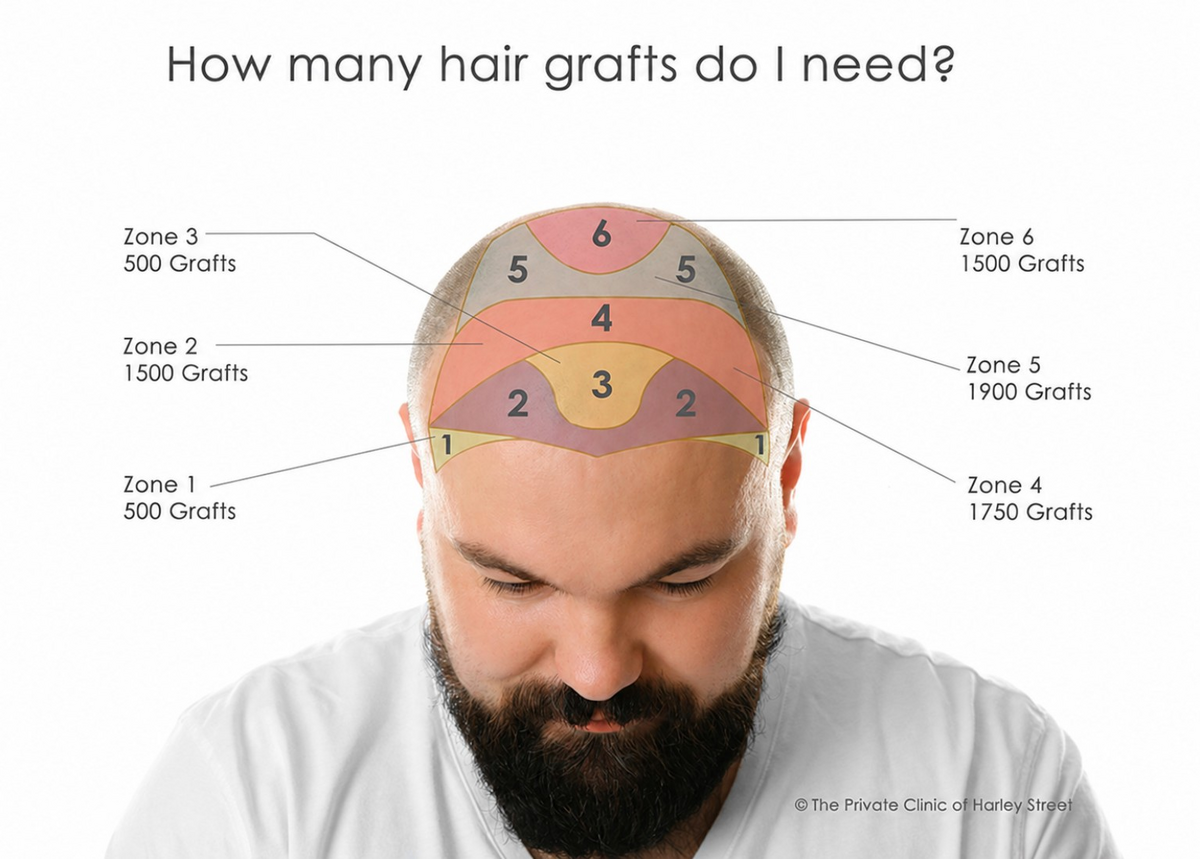
Hair transplant graft-zone diagram showing estimated graft counts for the hairline, mid-scalp and crown areas.
By Dr Harpreet Kalra September 4, 2026
Typical graft ranges for the hairline, crown and advanced loss, with donor density, coverage and long-term planning explained clearly.
Footballers playing a competitive match on a grass pitch
By Dr Harpreet Kalra September 4, 2026
Confirmed cases, widely reported names and practical lessons Belfast patients can take from footballers who have addressed hair loss.
By Dr Harpreet Kalra August 6, 2026
See current FUE prices from £1,999 for 500 grafts, what changes your quote, what aftercare includes and how to compare UK clinics safely.
By Dr Harpreet Kalra August 5, 2026
Follow hair transplant recovery from the first night to 18 months, including washing, work, exercise, shedding, warning signs and FUE vs FUT healing.
By Dr Harpreet Kalra August 4, 2026
Compare 2026 hair transplant costs quoted in Newcastle and elsewhere in the UK, including graft pricing, travel, clinic regulation and what a consultation should confirm.
By Dr Harpreet Kalra August 3, 2026
Compare FUE and FUT hair transplants in Belfast: extraction, scars, shaving, recovery, graft planning and which patients may suit each method.
By Dr Harpreet Kalra August 2, 2026
Compare Belfast hair transplant prices, graft bands, FUE, DHI and FUT costs, finance considerations and the questions to ask before accepting a quote.
By Dr Harpreet Kalra August 1, 2026
Compare hair transplant finance options, deposits, interest, affordability checks and total repayment costs before agreeing to fund treatment.
By Dr Harpreet Kalra July 31, 2026
Understand common causes of hair loss in men, including pattern loss, shedding and scalp conditions, and when to speak to a GP or hair-loss specialist.
Show More