Hair transplant cost Belfast: prices and what’s included
The cost of a hair transplant depends on the graft requirement, the procedure and what the clinic includes. Here is how our Belfast prices work, what changes a quotation and what to check before booking.





How much does a hair transplant cost in Belfast?
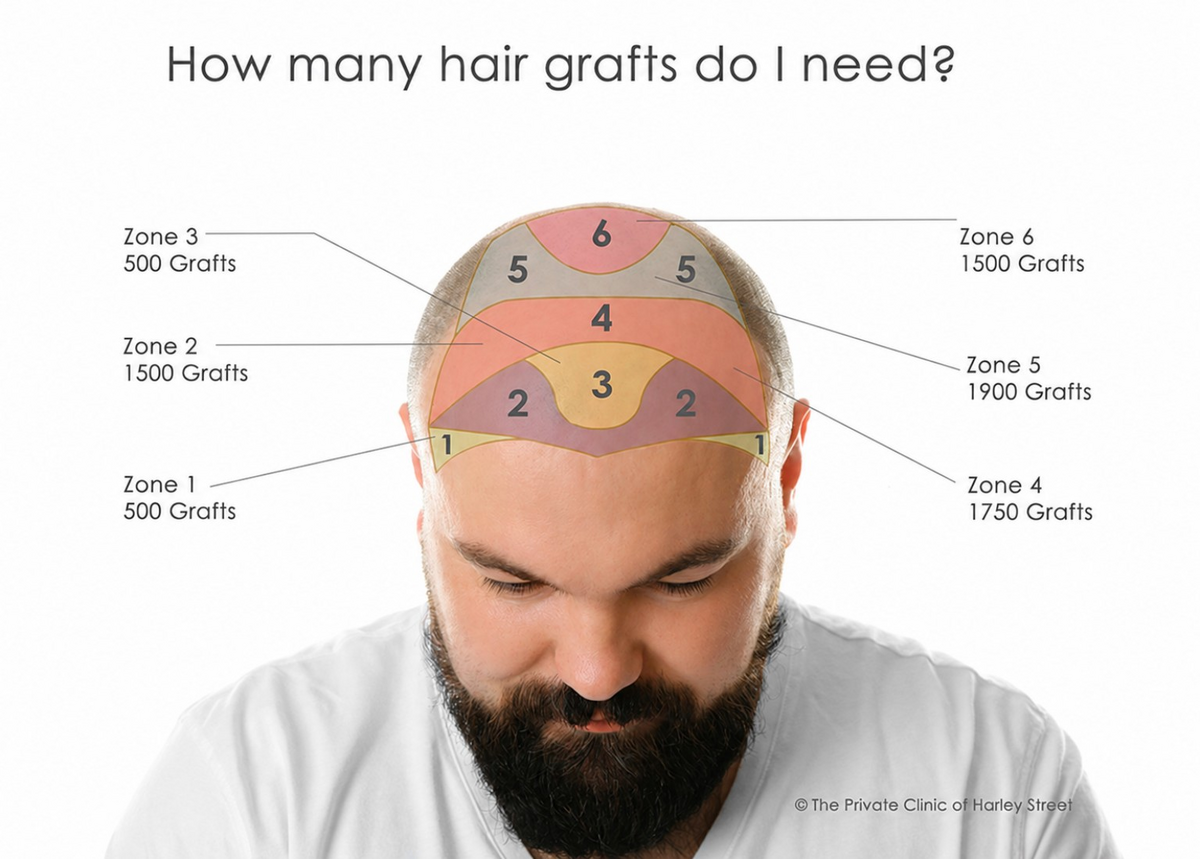
Our published FUE price examples start at £1,999 for 500 grafts and £2,999 for 1,000 grafts. FUT and DHI procedures start from £3,999. These are starting prices for different procedures and graft requirements; your surgeon must confirm whether the proposed treatment is suitable.
You can see the graft bands and procedure prices on our Belfast hair transplant cost page. The consultation is free. Your final quotation follows an assessment of your hair loss, donor supply and treatment area.
A price per graft can help explain a quotation, but there is no single rate used by every Belfast clinic. Dividing a package price by the estimated graft count also does not tell you what is included in the package. Compare the proposed treatment and the total payable amount.
Why can two patients receive different quotes?
A small change to the hairline needs a different plan from work across the hairline and crown. The area to cover matters, alongside the hair already present and the amount of donor hair that can be used.
Hair thickness, curl and the contrast between the hair and scalp affect how much coverage a graft can provide. Two people with a similar pattern of hair loss may therefore need different graft numbers. Our donor-area guide explains what the surgeon assesses.
The procedure and time required can also change the price. An unshaven approach or a staged operation may involve additional work. A larger graft number is not automatically a better plan: removing too much donor hair can leave permanent thinning at the back and sides.
FUE, FUT and DHI costs
FUE removes individual follicular units with small punches. It leaves small extraction scars rather than a single linear donor scar. The quotation depends on the planned graft number and the work involved in extraction and placement.
FUT removes a strip of scalp from the donor area, which is then divided into grafts. It leaves a linear scar. Suitability depends on the donor area, surgical plan and how the patient wishes to wear their hair.
DHI describes placement using an implanter. The donor follicles still have to be obtained. The label alone does not establish better density, faster healing or better graft survival. Ask which extraction and placement methods your quotation includes.
What should the written price include?
Check the named surgeon, treatment area, estimated graft number and exact procedure. The quotation should also identify the consultation and surgery locations, since they may be different.
Ask whether anaesthesia, any clinically indicated tests or medicines, postoperative products, follow-up appointments and progress photographs are included. If PRP is offered, establish whether it is optional, included or charged separately. An additional treatment should have a clear purpose; it is not automatically necessary because it appears in a package.
Before paying a deposit, read the cancellation and rescheduling terms and ask what happens if the treatment plan changes after an in-person assessment. Keep the quotation and agreed inclusions in writing.
Allow for recovery costs
The surgical fee is only part of the budget. Depending on where surgery takes place, you may need to allow for travel, accommodation and someone to accompany you. Time off work can also affect the overall cost.
The NHS advises that patients may need one to two weeks off work after a transplant. Your own plan will depend on healing and the demands of your job. Discuss lifting, protective headwear, exercise and travel with your surgeon before booking a date.
Scabbing, tenderness and swelling can occur after surgery. Symptoms that are worsening or concerning need advice from the treating clinic. Follow the individual instructions you receive and use our aftercare guide and recovery timeline to prepare questions.
Health service funding and private insurance
Hair transplantation for cosmetic hair loss is generally paid for privately. Northern Ireland's nidirect guidance explains that most hair-loss treatments are not available on the health service. Speak with your GP if hair loss may have a medical cause.
Do not assume that a private insurance policy covers the procedure. Ask the insurer about your circumstances and obtain its decision before committing to treatment.
Paying monthly
Our finance page explains the available payment options. Eligibility and terms depend on the provider's assessment. Check the deposit, APR, repayment period, monthly amount and total repayable; a smaller monthly payment can mean paying for longer.
Read any no-deposit option alongside its terms. No deposit does not, by itself, mean interest-free credit or guaranteed approval.
Check where and by whom you will be treated
Confirm the operating surgeon's registration and licence on the GMC medical register. Ask who will perform extraction, create recipient sites and place the grafts, and who to contact if there is a problem afterwards.
Check the regulator for the location where surgery will actually take place. In Northern Ireland, consult the Regulation and Quality Improvement Authority. CQC information applies to England; it is not the way to verify a Belfast treatment facility.
At Belfast Hair Transplant, consultations are by appointment at Regus, Forsyth House, Cromac Street, Belfast BT2 8LA. The team will confirm the location of any proposed procedure before you book.
Questions about hair transplant prices
How much will 3,000 grafts cost?
Check the current graft band on our cost page, then arrange an assessment for a written quotation. Graft count alone cannot establish whether the procedure is suitable or what the final price will be.
Does the consultation commit me to surgery?
No. The initial consultation is free and gives you an opportunity to discuss your hair loss and possible treatment. Review the proposed plan, risks and written price before deciding.
Should I choose the lowest quote?
Compare what each quote covers, who carries out the procedure, the treatment location and follow-up arrangements. A lower or higher price does not establish the quality of care on its own.
Will I need further treatment later?
Existing, non-transplanted hair may continue to thin. Discuss that possibility, the available donor supply and the potential costs of ongoing treatment during planning.
Questions and answers
Can I compare FUE quotes by price per graft alone?
No. Compare the proposed treatment area, graft estimate, surgical responsibilities and included follow-up. A lower unit price does not tell you whether the plan fits your donor supply or goals.
Does a guide price replace an individual quote?
No. Ask for a written quote after assessment, with the treatment plan, inclusions, possible additional costs and payment terms clearly stated.
What should I budget for beyond the procedure?
Check whether travel, accommodation, time away from work, prescribed medicines and later reviews would create additional costs. Ask which items are included before committing.
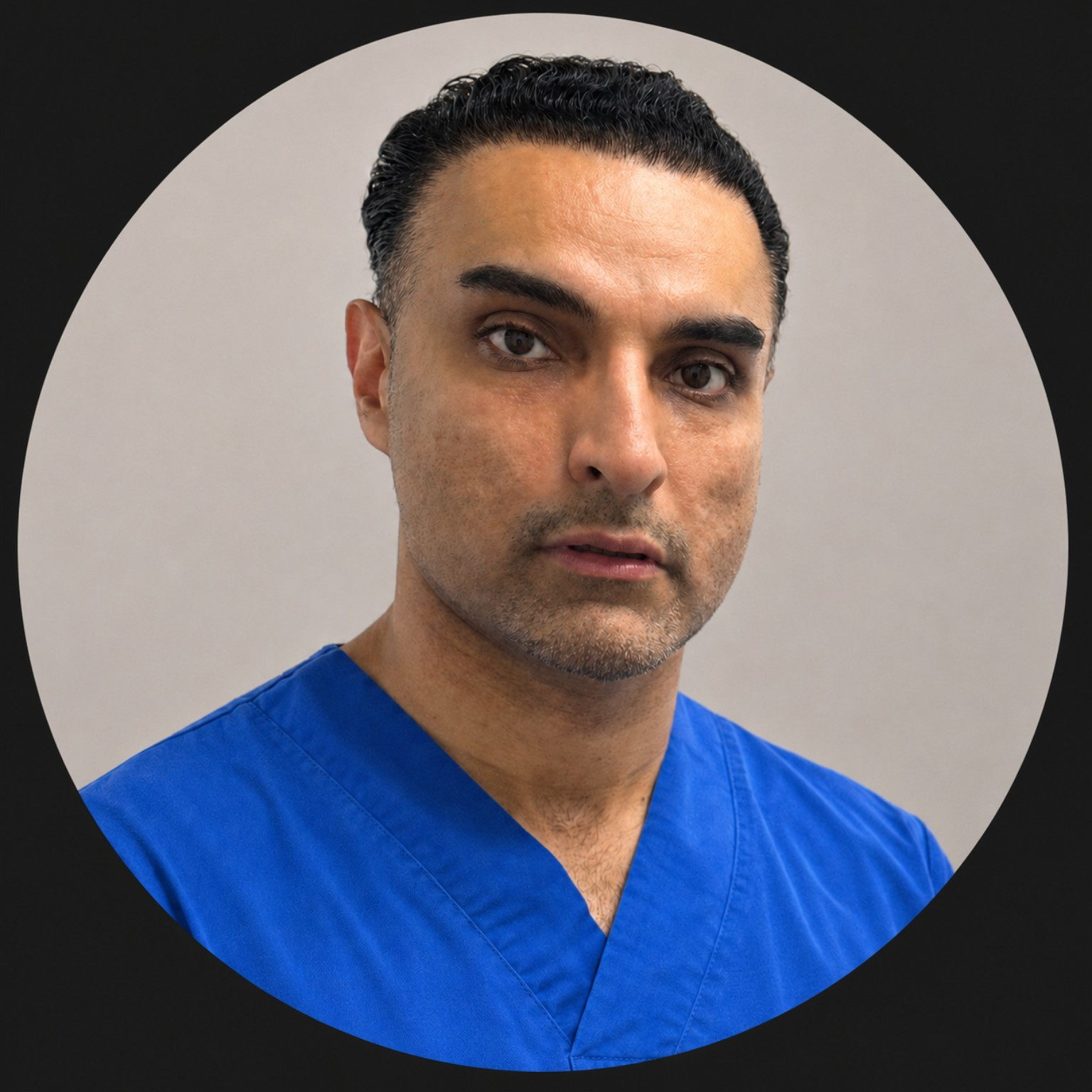
About the author
Dr Harpreet Kalra is a GP and hair-transplant surgeon at Belfast Hair Transplant. His consultations consider the diagnosis, donor area, existing hair and likely future pattern before treatment is discussed.
Ask about your treatment cost
Contact our Belfast team on 028 9600 0113 or arrange a free consultation.
Book a Free Consultation