Alternatives to a hair transplant
A hair transplant is one option for suitable patients. Depending on the cause of your hair loss, medication, a change in hair care, cosmetic coverage or no treatment may be more appropriate.

Find out why your hair is thinning
Gradual pattern thinning, sudden shedding and distinct bald patches need different assessments. A GP can help identify a possible medical cause and decide whether a dermatology referral or tests are needed. Bring details of when the change began, recent illness and any medicines you use.
See a clinician promptly if the scalp is painful, inflamed, scaly or developing smooth scarred patches. Buying a general hair-growth product can delay treatment of the underlying condition.
Medication for pattern hair loss
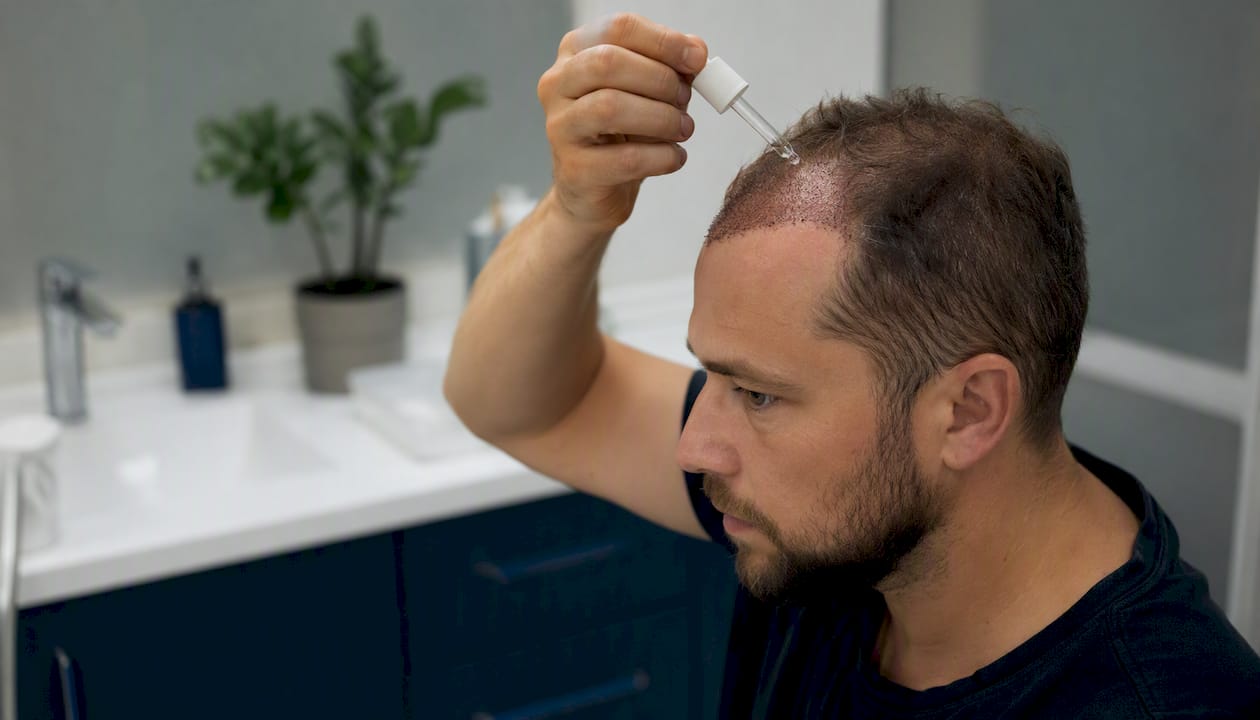
Topical minoxidil and, for suitable men, prescription finasteride are options to discuss. They do not suit everyone, and any benefit usually depends on continuing treatment. Our medication guide explains the main choices.
Finasteride can cause sexual and psychiatric side effects, including depression and suicidal thoughts. Some sexual problems can persist after stopping. Discuss your medical and mental-health history with the prescriber. If you take finasteride 1 mg for hair loss and develop depression or suicidal thoughts, stop it and contact your doctor as soon as possible, following MHRA advice.
PRP and other procedures
PRP involves scalp injections prepared from a sample of your own blood. The British Association of Dermatologists describes the evidence for benefit as limited and unpredictable. Ask about realistic goals, side effects, the full course cost and how the response would be assessed.
Laser devices and microneedling are also marketed for thinning hair. Check the evidence for the particular treatment and the qualifications of the provider. Avoid treating an inflamed scalp or using needles at home without appropriate medical advice.
Changing the appearance of thinning
A different haircut, hair fibres, a wig or a hair system can change how thinning looks without surgery. They do not treat its cause. Ask about ongoing costs, maintenance and any adhesive sensitivity before choosing a system.
Scalp micropigmentation creates the appearance of short hair through tattooing. Discuss pigment colour, fading, infection precautions and the practitioner’s work on healed skin. It does not grow hair.
Deciding whether to have treatment
You can choose to leave your hair as it is. If the change is affecting your wellbeing, tell your GP; support is available alongside any treatment discussion. If you are considering surgery, ask how the proposed result compares with the nonsurgical options for your own hair.
Contact our Belfast team
Consultations are by appointment at Regus, Forsyth House, Cromac Street, Belfast BT2 8LA. Arrange a consultation or call 028 9600 0113. We will confirm the appointment details before you travel.
Questions and answers
Can I improve the appearance of thinning hair without surgery?
Possibly. Depending on the diagnosis and your preferences, options may include treatment for the cause, hair fibres, a hair system or scalp micropigmentation. Camouflage changes appearance without creating new follicles.
Are non-surgical treatments risk-free?
No. Medicines and procedures have their own limitations and possible adverse effects. Ask what evidence supports the option for your particular type of hair loss and how it will be reviewed.
Does choosing a non-surgical option rule out a later transplant?
Not necessarily. Tell the surgeon about previous treatments and procedures. Future suitability still depends on your scalp, donor hair, continuing loss and goals.