
Hair loss after 30: common causes and when to seek advice

Dr Harpreet Kalra • July 10, 2026

Why hair loss accelerates after 30: causes explained

Hair loss accelerates after 30 because of a convergence of hormonal shifts, genetic predisposition, and nutritional deficiencies that progressively damage hair follicles. The clinical term for the most common form is androgenetic alopecia, which affects around 95% of men with hair loss and becomes increasingly prevalent in women after their early thirties. Normal daily shedding sits at 50 to 100 hairs per day. When that number climbs noticeably, something biological has changed. Understanding what that is, and why it happens at this particular life stage, is the first step towards addressing it effectively.

Why hair loss accelerates after 30: the hormonal picture

Hormones are the primary driver of accelerated hair loss in adults over 30. The mechanism is well established: dihydrotestosterone (DHT), a derivative of testosterone, binds to receptors in scalp follicles and causes them to shrink over successive hair cycles. This process is called follicular miniaturisation, and it is the defining feature of androgenetic alopecia in both men and women.

How DHT affects men differently from women

In men, DHT sensitivity is largely genetic. Follicles inherited with a higher number of androgen receptors respond more aggressively to DHT, producing progressively finer, shorter hairs until the follicle stops producing altogether. Over 50% of men over 50 in the UK are significantly affected by pattern hair loss, and the process typically begins in the early thirties for those genetically predisposed.

In women, the picture is more complex. Oestrogen normally counteracts the effect of androgens on follicles, providing a degree of protection. As women approach perimenopause, oestrogen levels fluctuate and decline, reducing that protection. The result is that androgens exert a stronger relative effect, triggering the same miniaturisation process seen in male pattern baldness, though usually presenting as diffuse thinning across the crown rather than a receding hairline.

  • Oestrogen decline removes follicle protection, increasing androgen sensitivity
  • DHT binds to follicle receptors and shortens the active growth phase (anagen)
  • Each successive hair cycle produces a thinner, shorter strand
  • Female pattern hair loss typically presents as widening parting or crown thinning
  • Telogen effluvium, triggered by hormonal shocks, causes sudden diffuse shedding

Hair shedding from telogen effluvium is often temporary and can recover once the hormonal trigger resolves. Pattern hair loss, by contrast, involves permanent follicle miniaturisation and requires a different treatment approach entirely. Confusing the two is one of the most common reasons people pursue the wrong treatment for months before seeking specialist advice.

Pro Tip: If your shedding started suddenly after a stressful event, illness, or hormonal change, it may be telogen effluvium rather than pattern loss. A trichologist or dermatologist can distinguish between the two with a scalp assessment.

Do nutritional deficiencies make hair thinning worse?

Nutritional deficiencies are a significant and frequently overlooked contributor to hair thinning in your 30s. They rarely act alone. Instead, they compound the hormonal changes already underway, accelerating follicle damage that might otherwise progress more slowly.

The three deficiencies most consistently linked to hair thinning are low ferritin (stored iron), vitamin D, and zinc. One in 3 women with perimenopausal hair loss have detectable nutritional deficiencies. That figure is striking because it means a large proportion of women seeking help for hormonal hair loss are also dealing with a correctable nutritional problem that is making things worse.

Hair loss after 30: common causes and when to seek advice

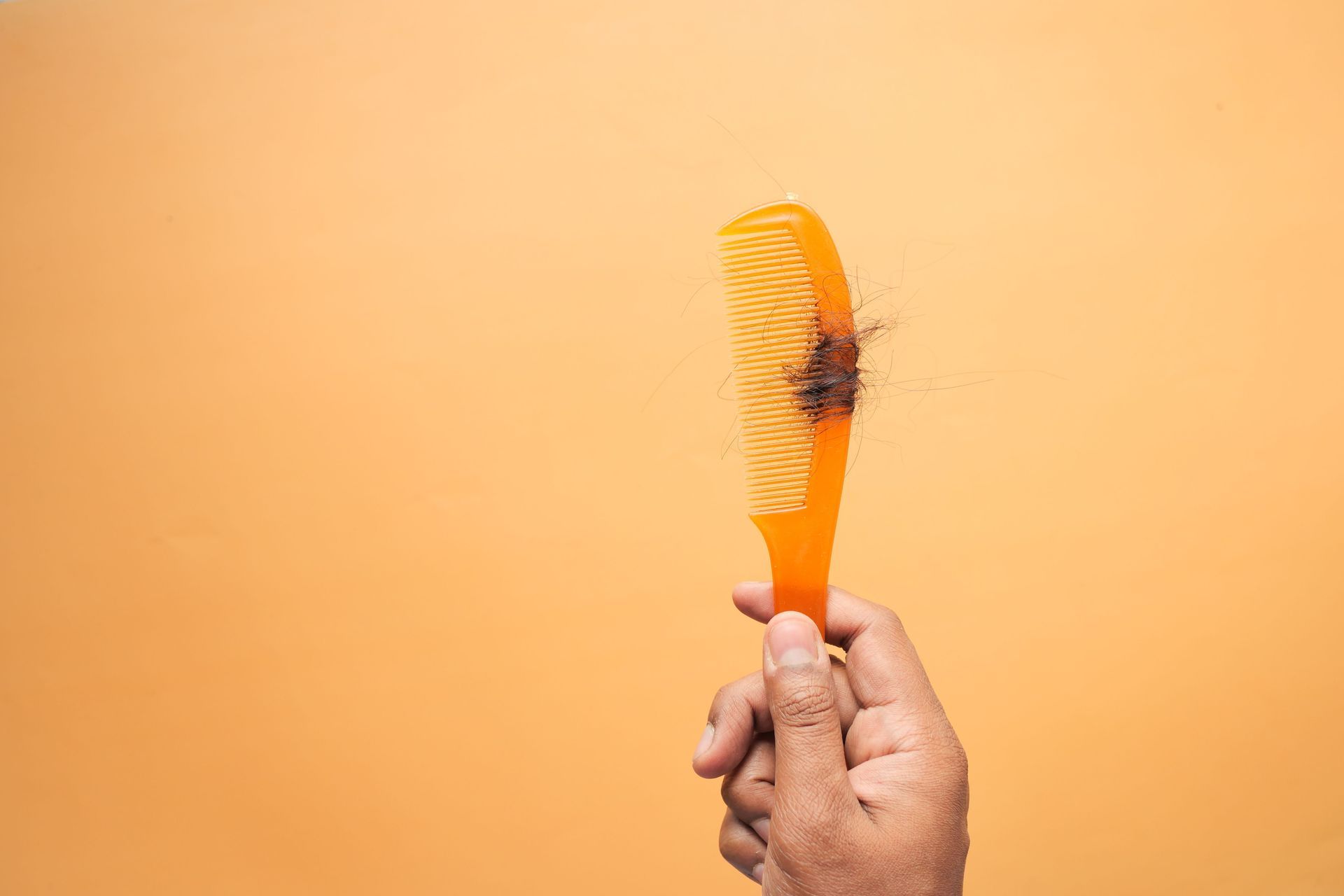
Loose hair caught in a comb

Turning 30 does not cause hair loss to accelerate on a fixed timetable. Pattern hair loss can begin at any time after puberty, and its rate varies considerably. It may simply become easier to see in the thirties because gradual changes have accumulated. Sudden shedding at this age can have a different cause altogether.

The NHS says that losing around 50 to 100 hairs a day can be normal. Counting individual hairs is rarely a reliable way to diagnose a problem. A new pattern, a sustained rise in shedding or a visible reduction in density gives a GP or dermatologist more useful information.

Pattern hair loss becomes more common with age

Male pattern hair loss results from a combination of genetics and hormones. In susceptible follicles, dihydrotestosterone (DHT) drives gradual miniaturisation. The hair becomes shorter, finer and lighter before the follicle eventually stops producing visible hair. The usual pattern is recession at the temples with thinning over the top or crown.

This process can start before 30, during the thirties or much later. Age of onset alone does not show how quickly or how far it will progress, and there is no single age at which everybody's hair loss speeds up.

Female pattern hair loss usually appears as a wider central parting and reduced density across the top of the scalp, often with the frontal hairline retained. It involves genetic and hormonal factors, but the role of androgens is less straightforward than it is in men. Many affected women have androgen levels within the normal range.

Sudden shedding is different from pattern loss

Telogen effluvium causes increased shedding from across the scalp rather than a receding hairline or a defined bald area. It commonly begins around three months after a trigger such as:

  • illness, fever, surgery or severe physical trauma;
  • childbirth or a change to hormonal treatment;
  • marked weight loss or extreme dieting;
  • a major stressful event; or
  • starting a new medicine.

The shedding phase often lasts three to six months, although the previous volume can take longer to return. Sometimes no trigger is found. Telogen effluvium and pattern hair loss can also occur together, so a sudden shed may expose gradual thinning that was already present.

Iron deficiency, thyroid disease and scalp conditions

Iron deficiency and thyroid disease can contribute to diffuse hair loss. A clinician may consider a full blood count, ferritin, thyroid function or other targeted tests when the pattern and history support them. Classic gradual male pattern hair loss does not usually require a broad hormone or vitamin panel.

There is no agreed rule that ferritin must reach 100 micrograms per litre for healthy hair. Ferritin is interpreted using the laboratory range and the wider clinical picture. Inflammation can make a result appear higher, while a low result may indicate depleted iron stores. Take iron supplements only when a clinician has confirmed they are appropriate and considered why the deficiency developed.

Patchy loss may be alopecia areata. Tight hairstyles can produce traction alopecia, while repeated heat or chemical processing can break the hair shaft without causing pattern baldness. Redness, scale, pain, burning or a smooth and shiny scalp may indicate an inflammatory or scarring condition that needs prompt medical review. The clinic's guide to alopecia describes the main patterns.

When to arrange an assessment

See your GP if hair loss is sudden, patchy, rapidly changing or accompanied by scalp symptoms. A medical review is also sensible when hair loss involves the eyebrows or other body hair, follows a new medicine, occurs with fatigue or unexplained weight change, or is affecting your wellbeing.

The NHS advises establishing the cause before approaching a commercial hair clinic. A GP may be able to identify it from the pattern and history, arrange targeted tests or refer to dermatology if the diagnosis remains uncertain.

Treatment should match the cause

Telogen effluvium usually settles after the trigger has resolved, and medication does not make the normal regrowth cycle happen immediately. Confirmed iron deficiency, thyroid disease, a scalp disorder or a medicine-related cause needs its own treatment plan.

For male pattern hair loss, topical minoxidil and prescription finasteride are the main treatments listed by the NHS. They do not work for everyone, and benefit generally lasts only while treatment continues. A prescriber should explain suitability and possible adverse effects before finasteride is started.

Finasteride safety

The MHRA states that finasteride is associated with depression, suicidal thoughts and sexual dysfunction. Sexual dysfunction may persist after treatment has stopped. Before taking finasteride, tell the prescriber about any personal history of depression or suicidal thoughts, and read and keep the patient card and information leaflet supplied with the medicine.

A person taking finasteride 1 mg who develops depression or suicidal thoughts should stop taking it immediately and contact their doctor as soon as possible. Anyone who has seriously harmed themselves or feels at risk of serious harm should call 999 immediately. Contact the prescribing clinician for advice if sexual symptoms develop.

Topical minoxidil may help some women with female pattern hair loss. Women who are pregnant or breastfeeding should not use topical minoxidil. The British Association of Dermatologists also advises avoiding it when planning a pregnancy. A GP or pharmacist can advise on licensed products and individual suitability.

Hair transplantation does not treat temporary shedding or stop surrounding natural hair from thinning. It may be considered for stable, permanent pattern loss when the donor area can provide enough suitable follicles. The clinic's guide to follicular unit extraction (FUE) explains how individual donor grafts are assessed and moved.

What to record before an appointment

Monthly photographs taken in the same position and lighting can show whether a pattern is changing. Note when the loss began, recent illness or surgery, weight change, major stress, new medicines, changes to periods where relevant and any family history of hair loss. This is more useful than estimating the number of hairs shed each day.

This article provides general information and cannot diagnose the cause of hair loss or recommend treatment for an individual reader.

More information on patterns, causes and treatment questions is available in the clinic's hair loss advice hub.

The ferritin issue deserves particular attention. GP blood tests routinely report ferritin as normal when levels sit between 30 and 300 ng/mL. The problem is that hair growth requires ferritin levels of 100 ng/mL or higher for optimal function. A result of 45 ng/mL is technically within the normal range but is insufficient for healthy follicle activity. Many people receive false reassurance from standard blood tests and conclude that nutrition is not a factor, when it clearly is.

Correcting these deficiencies, when caught in time, can reverse some of the thinning they have caused. That is not true of follicle miniaturisation from androgenetic alopecia, which is permanent beyond a certain point. This distinction matters enormously for treatment planning.

Pro Tip: Ask your GP to test ferritin specifically, not just haemoglobin or serum iron. Request the actual number and compare it against the 100 ng/mL threshold, not just the lab’s standard range.

What lifestyle factors accelerate hair loss after 30?

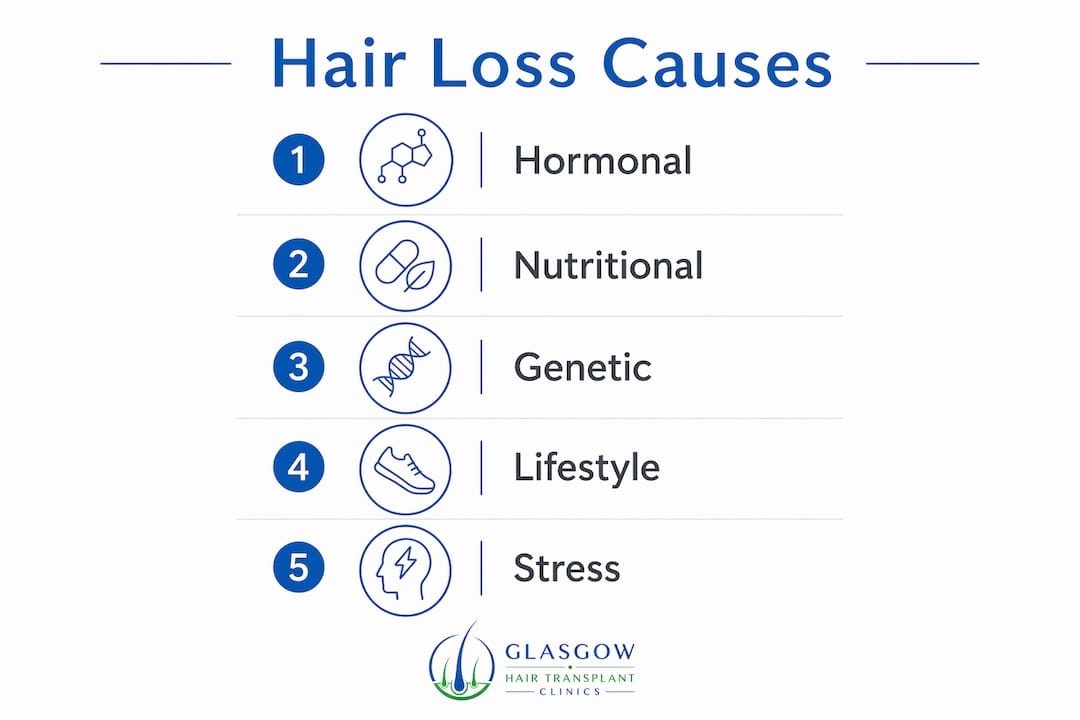
Genetics and hormones create the predisposition. Lifestyle factors determine how quickly that predisposition becomes visible. Chronic stress and high-fat or high-sugar diets accelerate hair loss by increasing systemic inflammation and disrupting hormone metabolism, which speeds up follicle miniaturisation in those already susceptible.

Stress is particularly relevant because it can trigger telogen effluvium, pushing a large number of follicles simultaneously into the resting phase. The result is a sudden, diffuse shed that typically appears two to three months after the stressful event. Many people in their thirties experience this after major life changes such as career pressure, relationship breakdown, or illness, and mistake it for the beginning of permanent hair loss.

Environmental exposure adds another layer. UV-B and UV-A radiation generate free radicals that degrade hair proteins and damage the follicle structure. This oxidative stress compounds the hormonal and nutritional factors already at work. People who spend significant time outdoors without scalp protection are accelerating structural hair damage alongside any genetic predisposition they carry.

Practical steps that reduce lifestyle-driven acceleration include:

  • Reducing refined sugar and processed fat in the diet to lower systemic inflammation
  • Managing cortisol through consistent sleep, moderate exercise, and stress reduction techniques
  • Wearing a hat or applying SPF to the scalp in prolonged sun exposure
  • Avoiding crash diets, which cause rapid ferritin depletion and trigger telogen effluvium
  • Limiting heat styling and chemical treatments that weaken the hair shaft

None of these steps will reverse androgenetic alopecia on their own. They do, however, slow the rate of acceleration and improve the overall environment in which clinical treatments work.

Why does early diagnosis matter so much for hair loss?

Early diagnosis is the single most important factor in preserving hair density. Follicular miniaturisation is incremental and irreversible beyond a certain point. Once a follicle has fully miniaturised, no treatment can restore it. Acting while follicles are still active, even if weakened, gives treatments the best possible chance of maintaining density and stimulating regrowth.

The NHS pathway creates a practical problem here. Dermatology wait times in some UK areas range from 6 to 18 months. For a condition that progresses steadily, that delay can represent a meaningful and permanent reduction in the number of viable follicles remaining. Many people also receive reassurance from standard blood tests that fall within normal ranges, only to discover later that their ferritin or vitamin D levels were suboptimal for hair health.

Effective treatment for hair loss after 30 requires addressing multiple factors simultaneously. Follicle miniaturisation results from the layered interaction of genetic susceptibility, hormonal changes, and nutritional deficiencies. Treating only one factor while ignoring the others produces limited results.

A structured approach to early diagnosis includes:

  1. Specialist scalp assessment to distinguish between telogen effluvium and pattern hair loss
  2. Targeted blood testing covering ferritin, vitamin D, zinc, thyroid function, and sex hormones
  3. Genetic and family history review to assess androgenetic alopecia risk and likely progression
  4. Treatment planning that addresses hormonal, nutritional, and structural factors together
  5. Regular monitoring to track response and adjust treatment as the picture evolves

Pro Tip: Do not wait for your GP to refer you. A private trichology or hair transplant consultation can provide a specialist assessment within days and give you a clear diagnosis before the NHS pathway even begins.

Key takeaways

Hair loss after 30 accelerates because hormonal changes, nutritional deficiencies, and lifestyle factors combine to damage follicles that are already genetically vulnerable, and early specialist intervention is the most effective way to preserve density.

Point Details
DHT drives follicle miniaturisation Androgenetic alopecia causes around 95% of male hair loss and increases in women after 30.
Ferritin thresholds are misunderstood Optimal ferritin for hair health is 100 ng/mL, well above the standard lab lower limit of 30 ng/mL.
Lifestyle accelerates genetic risk Chronic stress, poor diet, and UV exposure speed up follicle damage in those already predisposed.
Shedding and thinning need different treatments Telogen effluvium can recover; pattern hair loss involves permanent miniaturisation requiring clinical care.
Early action preserves more follicles NHS wait times of 6–18 months mean private specialist assessment is often the faster, more effective route.

What I have learned from seeing this pattern repeatedly

I have spoken with a great many people in their thirties and forties who arrive frustrated, having spent months addressing only one piece of the puzzle. They have corrected their ferritin, or reduced their stress, or started a topical treatment, and seen limited results. The reason is almost always the same: hair loss after 30 is rarely a single-cause problem.

The patients who do best are those who get a proper multi-factor diagnosis early. They address the hormonal picture, correct any nutritional gaps, and make lifestyle adjustments, all while pursuing clinical treatment for the follicle damage that has already occurred. That combination is far more effective than any single intervention.

The other thing I would say clearly is this: the NHS pathway is too slow for a progressive condition. I understand the instinct to wait for a GP referral. However, six months of waiting is six months of continued miniaturisation. A private consultation at a specialist clinic can provide a diagnosis and a treatment plan within a week. For most people, that difference in timing is genuinely significant.

The psychological impact of hair loss is also real and should not be minimised. Addressing it early is not vanity. It is a reasonable response to a medical condition that responds well to timely care.

— Harley

How Glasgowhairtransplantclinics supports adults with hair loss after 30

Adults experiencing hair thinning in their 30s and 40s benefit most from a clinic that assesses all contributing factors together, not just the most visible symptom. Glasgowhairtransplantclinics offers specialist consultations that cover hormonal, nutritional, and genetic causes, with treatment options including Follicular Unit Extraction (FUE), Direct Hair Implantation (DHI), PRP therapy, and Scalp Micro Pigmentation. All surgeons are registered with the GMC, and clinics are CQC and HIS registered.

Whether you are in the early stages of thinning or have been managing hair loss for several years, a free consultation with Glasgowhairtransplantclinics gives you a clear picture of where you stand and what your options are. Female patients can also explore dedicated female hair transplant options tailored to the specific presentation of female pattern hair loss. Visit Glasgowhairtransplantclinics to book your free consultation online or in person at a UK location near you.

FAQ

What causes hair loss to speed up after 30?

Hair loss accelerates after 30 due to the combined effect of rising DHT sensitivity, declining oestrogen in women, and nutritional deficiencies that weaken follicles already genetically predisposed to miniaturisation. Lifestyle factors such as chronic stress and poor diet act as accelerators on top of these biological changes.

Is hair thinning in your 30s reversible?

It depends on the cause. Telogen effluvium triggered by stress or nutritional deficiency can recover once the underlying cause is corrected. Androgenetic alopecia involves permanent follicle miniaturisation, which is not reversible but can be slowed or treated with clinical intervention.

Can stress cause hair loss in adults over 30?

Yes. Chronic stress triggers telogen effluvium by pushing follicles into the resting phase simultaneously, causing diffuse shedding two to three months after the stressful event. Stress also disrupts hormone metabolism, which can accelerate pattern hair loss in those already predisposed.

What ferritin level is needed for healthy hair growth?

Trichologists recommend a ferritin level of 100 ng/mL or above for optimal hair growth. Standard GP lab ranges start at 30 ng/mL, meaning many people receive a normal result despite having ferritin levels that are insufficient for follicle health.

When should I see a specialist about hair loss?

See a specialist as soon as you notice consistent thinning or increased shedding, rather than waiting for a GP referral. NHS dermatology wait times can reach 6–18 months in some UK areas, during which follicle miniaturisation continues. Early specialist assessment gives you the best chance of preserving density.

Recommended

Hair loss after 30: common causes and when to seek advice

Hair loss accelerates after 30 because of a convergence of hormonal shifts, genetic predisposition, and nutritional deficiencies that progressively damage hair follicles. The clinical term for the most common form is androgenetic alopecia, which affects around 95% of men with hair loss and becomes increasingly prevalent in women after their early thirties. Normal daily shedding sits at 50 to 100 hairs per day. When that number climbs noticeably, something biological has changed. Understanding what that is, and why it happens at this particular life stage, is the first step towards addressing it effectively.

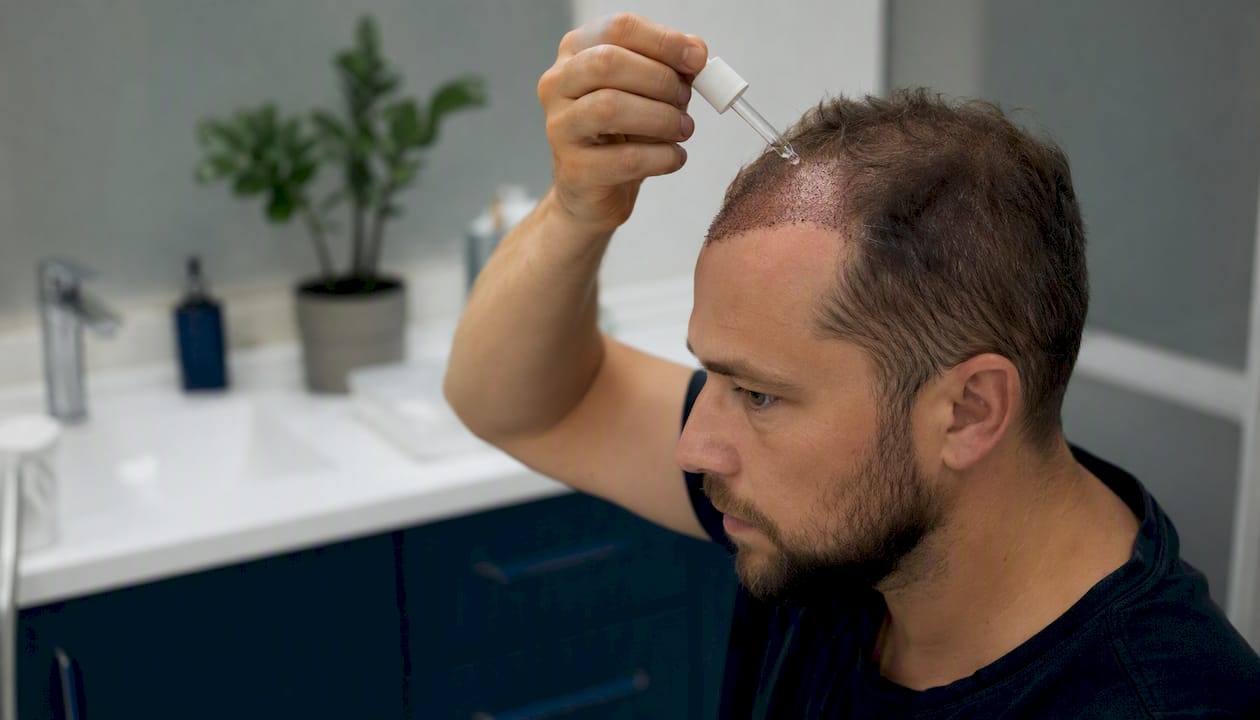
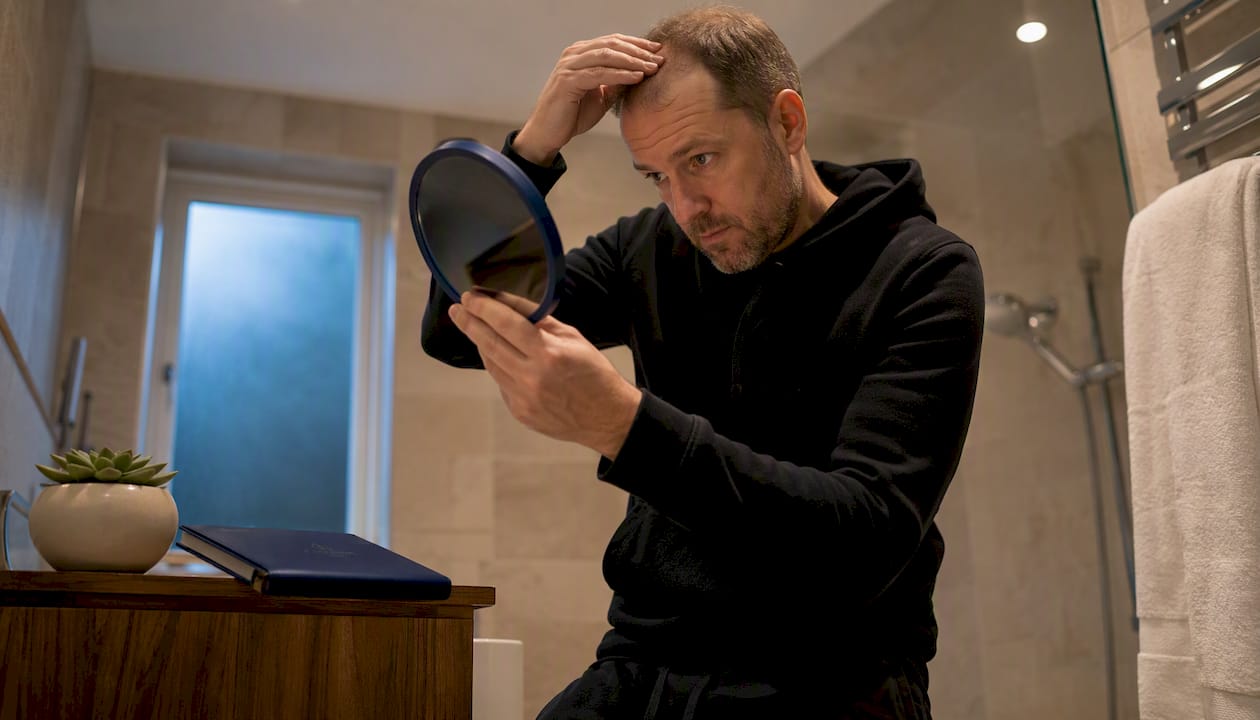
Man in his thirties checking changes in his hair density
Certifications General Medical CouncilInternational Society of Hair Restoration SurgeryInformation Commissioner's Office
Published
10 July 2026
Updated
30 August 2026

Why hair loss accelerates after 30: the hormonal picture

Hormones are the primary driver of accelerated hair loss in adults over 30. The mechanism is well established: dihydrotestosterone (DHT), a derivative of testosterone, binds to receptors in scalp follicles and causes them to shrink over successive hair cycles. This process is called follicular miniaturisation, and it is the defining feature of androgenetic alopecia in both men and women.

How DHT affects men differently from women

In men, DHT sensitivity is largely genetic. Follicles inherited with a higher number of androgen receptors respond more aggressively to DHT, producing progressively finer, shorter hairs until the follicle stops producing altogether. Over 50% of men over 50 in the UK are significantly affected by pattern hair loss, and the process typically begins in the early thirties for those genetically predisposed.

In women, the picture is more complex. Oestrogen normally counteracts the effect of androgens on follicles, providing a degree of protection. As women approach perimenopause, oestrogen levels fluctuate and decline, reducing that protection. The result is that androgens exert a stronger relative effect, triggering the same miniaturisation process seen in male pattern baldness, though usually presenting as diffuse thinning across the crown rather than a receding hairline.

  • Oestrogen decline removes follicle protection, increasing androgen sensitivity
  • DHT binds to follicle receptors and shortens the active growth phase (anagen)
  • Each successive hair cycle produces a thinner, shorter strand
  • Female pattern hair loss typically presents as widening parting or crown thinning
  • Telogen effluvium, triggered by hormonal shocks, causes sudden diffuse shedding

Hair shedding from telogen effluvium is often temporary and can recover once the hormonal trigger resolves. Pattern hair loss, by contrast, involves permanent follicle miniaturisation and requires a different treatment approach entirely. Confusing the two is one of the most common reasons people pursue the wrong treatment for months before seeking specialist advice.

Pro Tip: If your shedding started suddenly after a stressful event, illness, or hormonal change, it may be telogen effluvium rather than pattern loss. A trichologist or dermatologist can distinguish between the two with a scalp assessment.

Do nutritional deficiencies make hair thinning worse?

Nutritional deficiencies are a significant and frequently overlooked contributor to hair thinning in your 30s. They rarely act alone. Instead, they compound the hormonal changes already underway, accelerating follicle damage that might otherwise progress more slowly.

The three deficiencies most consistently linked to hair thinning are low ferritin (stored iron), vitamin D, and zinc. One in 3 women with perimenopausal hair loss have detectable nutritional deficiencies. That figure is striking because it means a large proportion of women seeking help for hormonal hair loss are also dealing with a correctable nutritional problem that is making things worse.

Hair loss after 30: common causes and when to seek advice

Loose hair caught in a comb

Turning 30 does not cause hair loss to accelerate on a fixed timetable. Pattern hair loss can begin at any time after puberty, and its rate varies considerably. It may simply become easier to see in the thirties because gradual changes have accumulated. Sudden shedding at this age can have a different cause altogether.

The NHS says that losing around 50 to 100 hairs a day can be normal. Counting individual hairs is rarely a reliable way to diagnose a problem. A new pattern, a sustained rise in shedding or a visible reduction in density gives a GP or dermatologist more useful information.

Pattern hair loss becomes more common with age

Male pattern hair loss results from a combination of genetics and hormones. In susceptible follicles, dihydrotestosterone (DHT) drives gradual miniaturisation. The hair becomes shorter, finer and lighter before the follicle eventually stops producing visible hair. The usual pattern is recession at the temples with thinning over the top or crown.

This process can start before 30, during the thirties or much later. Age of onset alone does not show how quickly or how far it will progress, and there is no single age at which everybody's hair loss speeds up.

Female pattern hair loss usually appears as a wider central parting and reduced density across the top of the scalp, often with the frontal hairline retained. It involves genetic and hormonal factors, but the role of androgens is less straightforward than it is in men. Many affected women have androgen levels within the normal range.

Sudden shedding is different from pattern loss

Telogen effluvium causes increased shedding from across the scalp rather than a receding hairline or a defined bald area. It commonly begins around three months after a trigger such as:

  • illness, fever, surgery or severe physical trauma;
  • childbirth or a change to hormonal treatment;
  • marked weight loss or extreme dieting;
  • a major stressful event; or
  • starting a new medicine.

The shedding phase often lasts three to six months, although the previous volume can take longer to return. Sometimes no trigger is found. Telogen effluvium and pattern hair loss can also occur together, so a sudden shed may expose gradual thinning that was already present.

Iron deficiency, thyroid disease and scalp conditions

Iron deficiency and thyroid disease can contribute to diffuse hair loss. A clinician may consider a full blood count, ferritin, thyroid function or other targeted tests when the pattern and history support them. Classic gradual male pattern hair loss does not usually require a broad hormone or vitamin panel.

There is no agreed rule that ferritin must reach 100 micrograms per litre for healthy hair. Ferritin is interpreted using the laboratory range and the wider clinical picture. Inflammation can make a result appear higher, while a low result may indicate depleted iron stores. Take iron supplements only when a clinician has confirmed they are appropriate and considered why the deficiency developed.

Patchy loss may be alopecia areata. Tight hairstyles can produce traction alopecia, while repeated heat or chemical processing can break the hair shaft without causing pattern baldness. Redness, scale, pain, burning or a smooth and shiny scalp may indicate an inflammatory or scarring condition that needs prompt medical review. The clinic's guide to alopecia describes the main patterns.

When to arrange an assessment

See your GP if hair loss is sudden, patchy, rapidly changing or accompanied by scalp symptoms. A medical review is also sensible when hair loss involves the eyebrows or other body hair, follows a new medicine, occurs with fatigue or unexplained weight change, or is affecting your wellbeing.

The NHS advises establishing the cause before approaching a commercial hair clinic. A GP may be able to identify it from the pattern and history, arrange targeted tests or refer to dermatology if the diagnosis remains uncertain.

Treatment should match the cause

Telogen effluvium usually settles after the trigger has resolved, and medication does not make the normal regrowth cycle happen immediately. Confirmed iron deficiency, thyroid disease, a scalp disorder or a medicine-related cause needs its own treatment plan.

For male pattern hair loss, topical minoxidil and prescription finasteride are the main treatments listed by the NHS. They do not work for everyone, and benefit generally lasts only while treatment continues. A prescriber should explain suitability and possible adverse effects before finasteride is started.

Finasteride safety

The MHRA states that finasteride is associated with depression, suicidal thoughts and sexual dysfunction. Sexual dysfunction may persist after treatment has stopped. Before taking finasteride, tell the prescriber about any personal history of depression or suicidal thoughts, and read and keep the patient card and information leaflet supplied with the medicine.

A person taking finasteride 1 mg who develops depression or suicidal thoughts should stop taking it immediately and contact their doctor as soon as possible. Anyone who has seriously harmed themselves or feels at risk of serious harm should call 999 immediately. Contact the prescribing clinician for advice if sexual symptoms develop.

Topical minoxidil may help some women with female pattern hair loss. Women who are pregnant or breastfeeding should not use topical minoxidil. The British Association of Dermatologists also advises avoiding it when planning a pregnancy. A GP or pharmacist can advise on licensed products and individual suitability.

Hair transplantation does not treat temporary shedding or stop surrounding natural hair from thinning. It may be considered for stable, permanent pattern loss when the donor area can provide enough suitable follicles. The clinic's guide to follicular unit extraction (FUE) explains how individual donor grafts are assessed and moved.

What to record before an appointment

Monthly photographs taken in the same position and lighting can show whether a pattern is changing. Note when the loss began, recent illness or surgery, weight change, major stress, new medicines, changes to periods where relevant and any family history of hair loss. This is more useful than estimating the number of hairs shed each day.

More information on patterns, causes and treatment questions is available in the clinic's hair loss advice hub.

Get advice about hair loss after 30

Our Belfast team can assess the pattern, review possible causes and explain treatment options matched to your stage of hair loss.

Book a Free Consultation
A grey scoop filled with white creatine monohydrate powder
By Dr Harpreet Kalra September 7, 2026
Does creatine cause hair loss? Read what the 2009 study and 2025 trial found, their limits, and what to do if your hair is thinning.
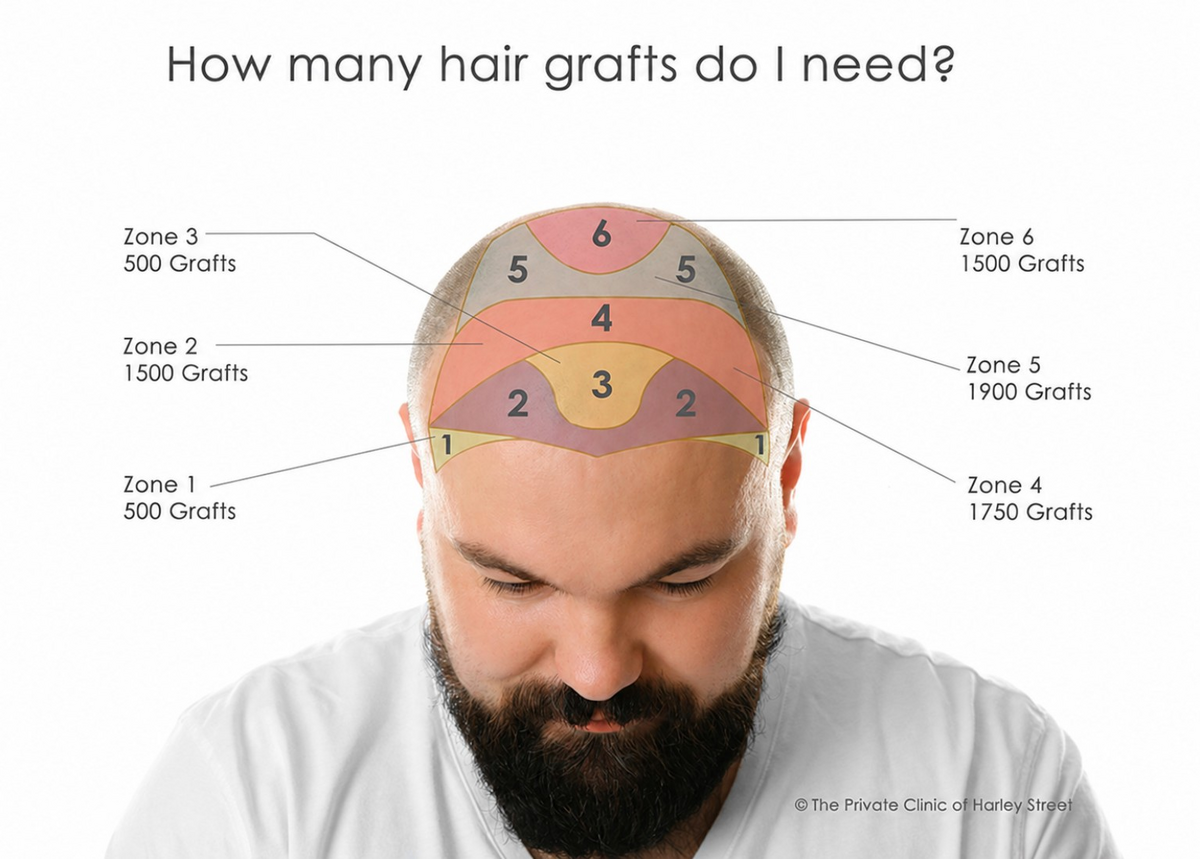
Hair transplant graft-zone diagram showing estimated graft counts for the hairline, mid-scalp and crown areas.
By Dr Harpreet Kalra September 4, 2026
Typical graft ranges for the hairline, crown and advanced loss, with donor density, coverage and long-term planning explained clearly.
Footballers playing a competitive match on a grass pitch
By Dr Harpreet Kalra September 4, 2026
Confirmed cases, widely reported names and practical lessons Belfast patients can take from footballers who have addressed hair loss.
By Dr Harpreet Kalra August 8, 2026
Can finasteride help preserve native hair after a transplant? Read the UK evidence, timing, side effects and current MHRA safety advice before treatment.
By Dr Harpreet Kalra August 6, 2026
See current FUE prices from £1,999 for 500 grafts, what changes your quote, what aftercare includes and how to compare UK clinics safely.
By Dr Harpreet Kalra August 5, 2026
Follow hair transplant recovery from the first night to 18 months, including washing, work, exercise, shedding, warning signs and FUE vs FUT healing.
By Dr Harpreet Kalra August 4, 2026
Compare 2026 hair transplant costs quoted in Newcastle and elsewhere in the UK, including graft pricing, travel, clinic regulation and what a consultation should confirm.
By Dr Harpreet Kalra August 3, 2026
Compare FUE and FUT hair transplants in Belfast: extraction, scars, shaving, recovery, graft planning and which patients may suit each method.
By Dr Harpreet Kalra August 2, 2026
Compare Belfast hair transplant prices, graft bands, FUE, DHI and FUT costs, finance considerations and the questions to ask before accepting a quote.
By Dr Harpreet Kalra August 1, 2026
Compare hair transplant finance options, deposits, interest, affordability checks and total repayment costs before agreeing to fund treatment.
Show More